 USA
USA
 CA
CA









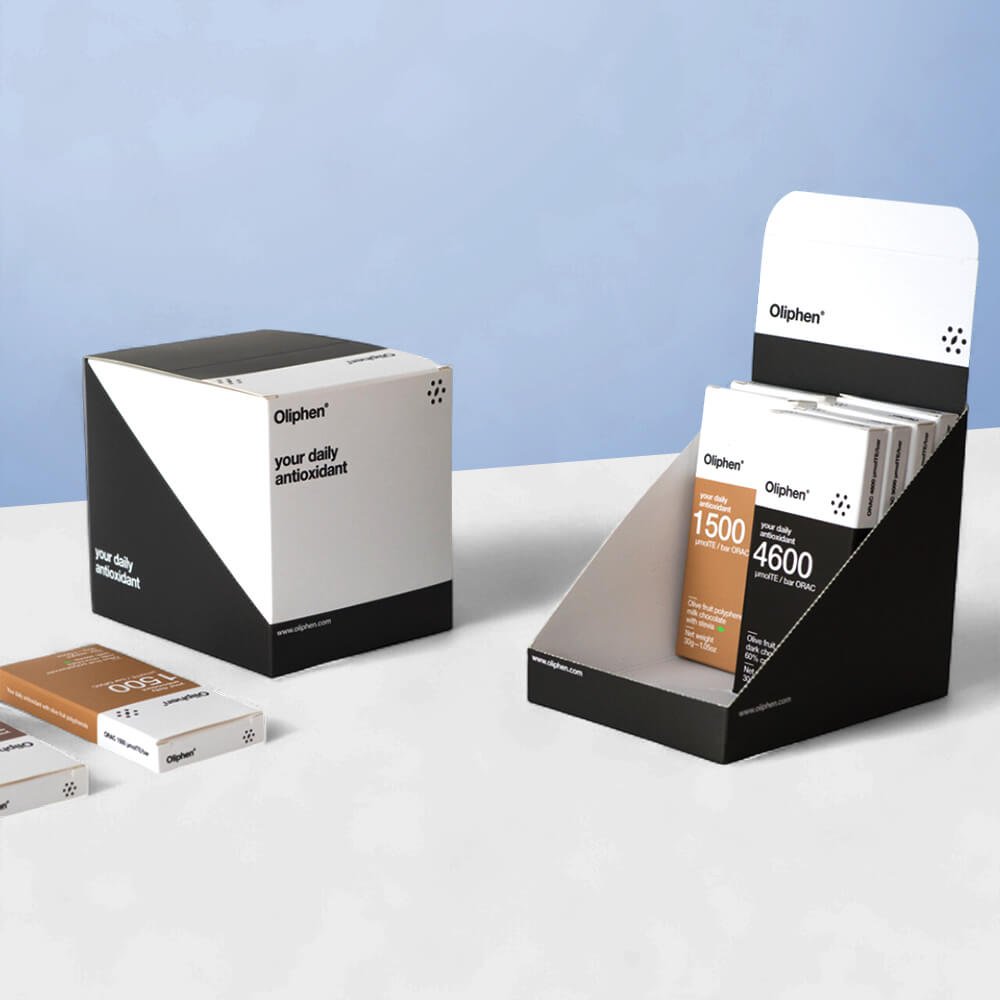
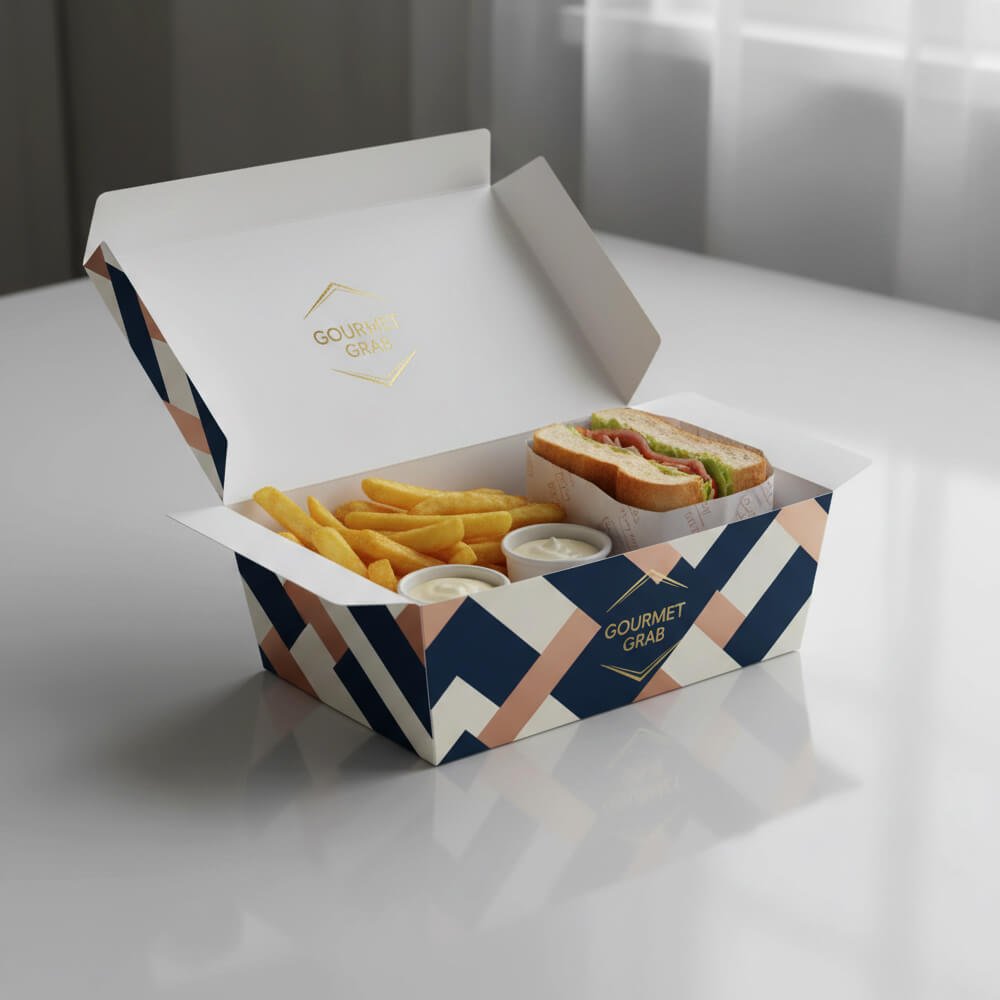
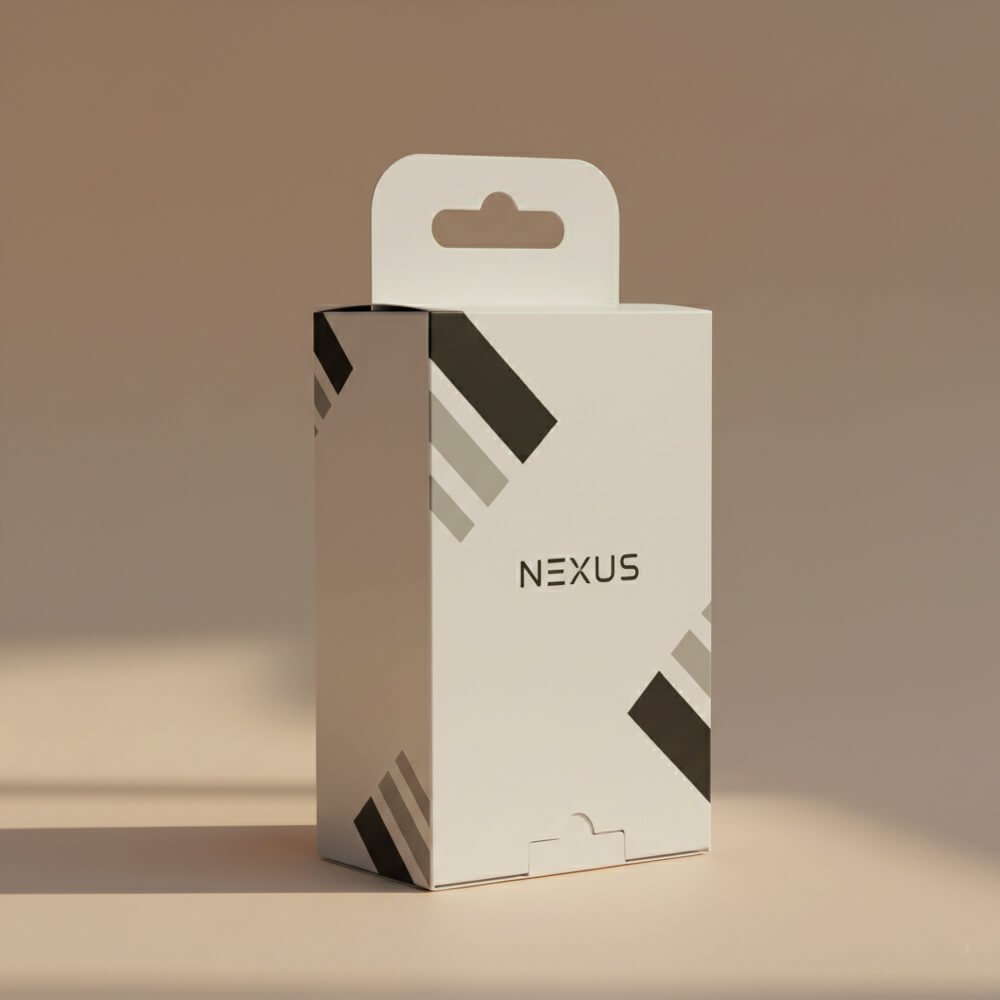
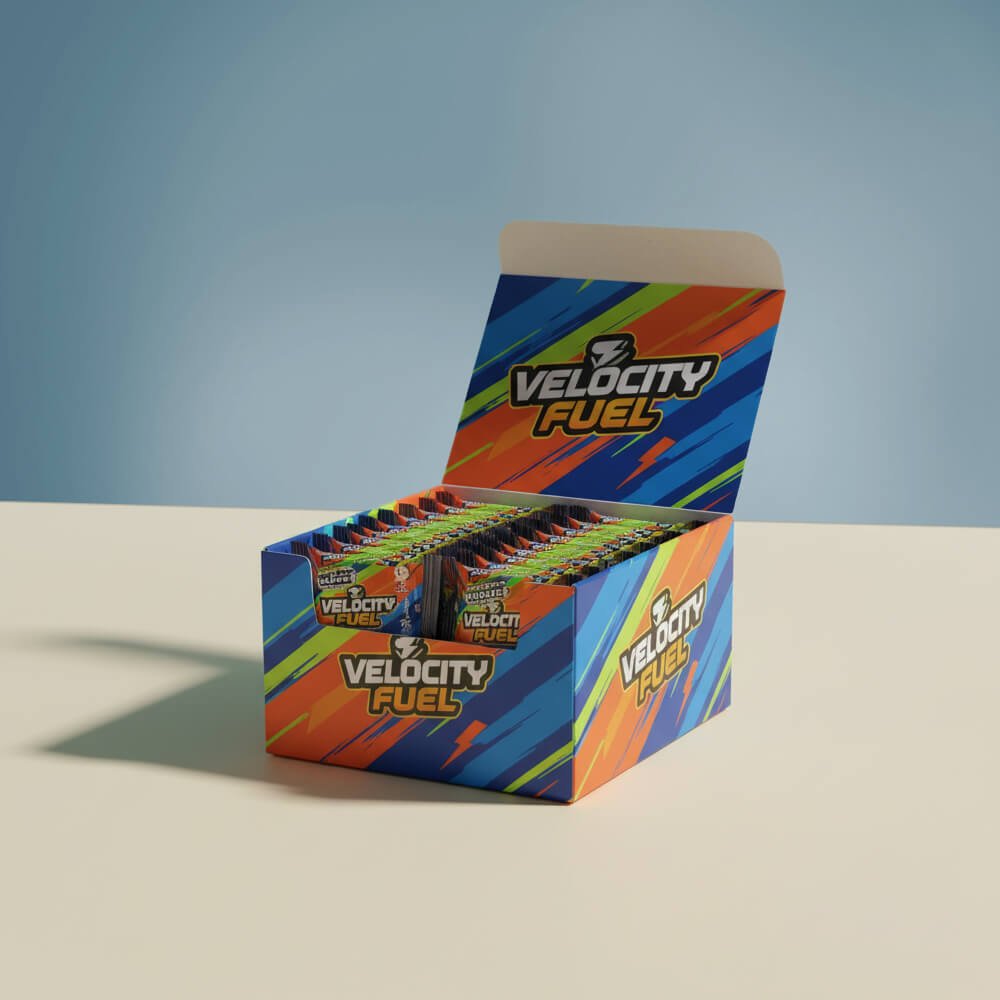
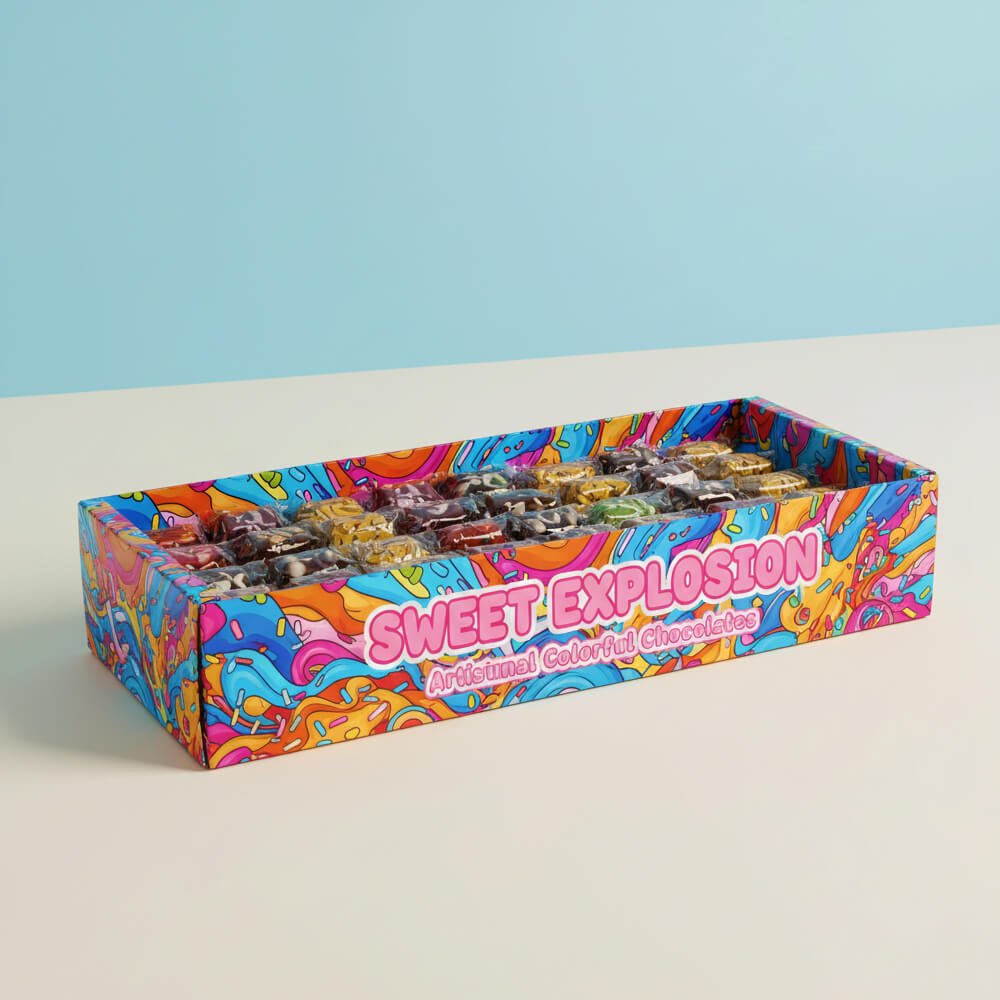
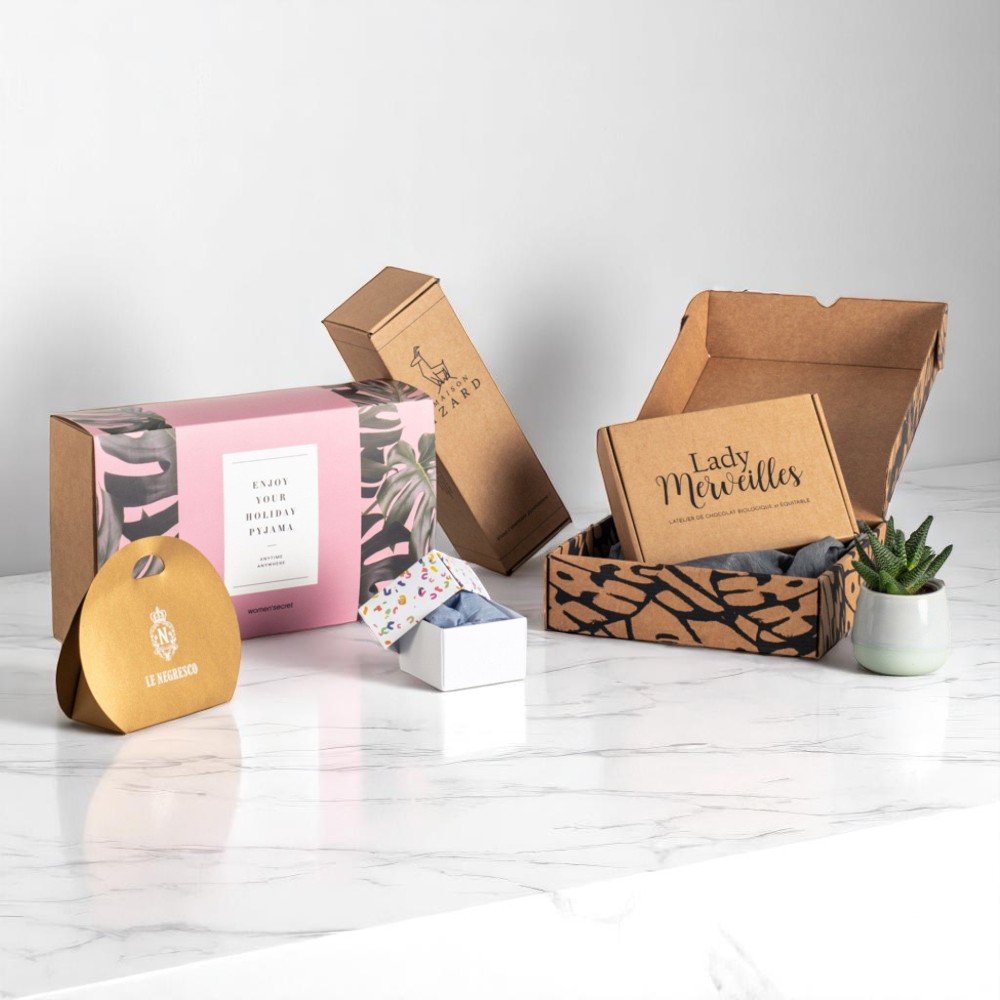
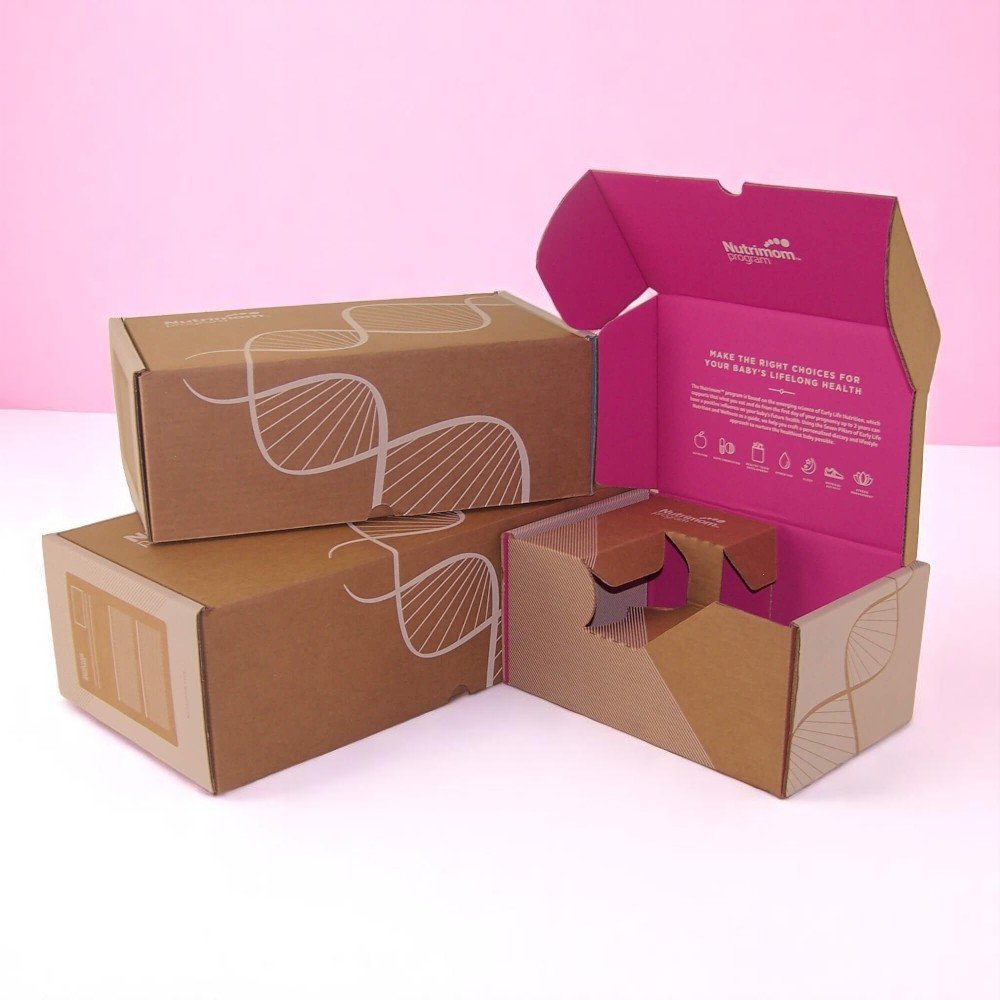
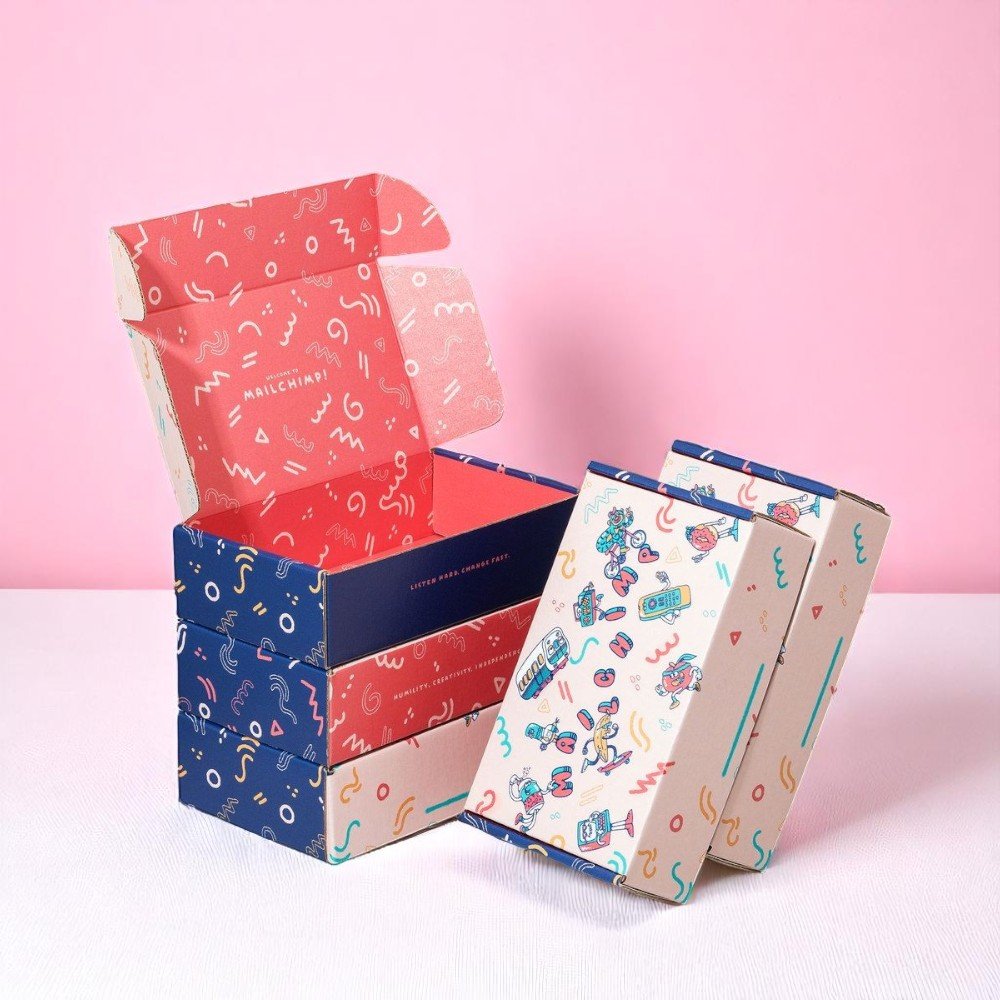



What is Varnish Coating in Printing and Packaging? Guide to All Answers

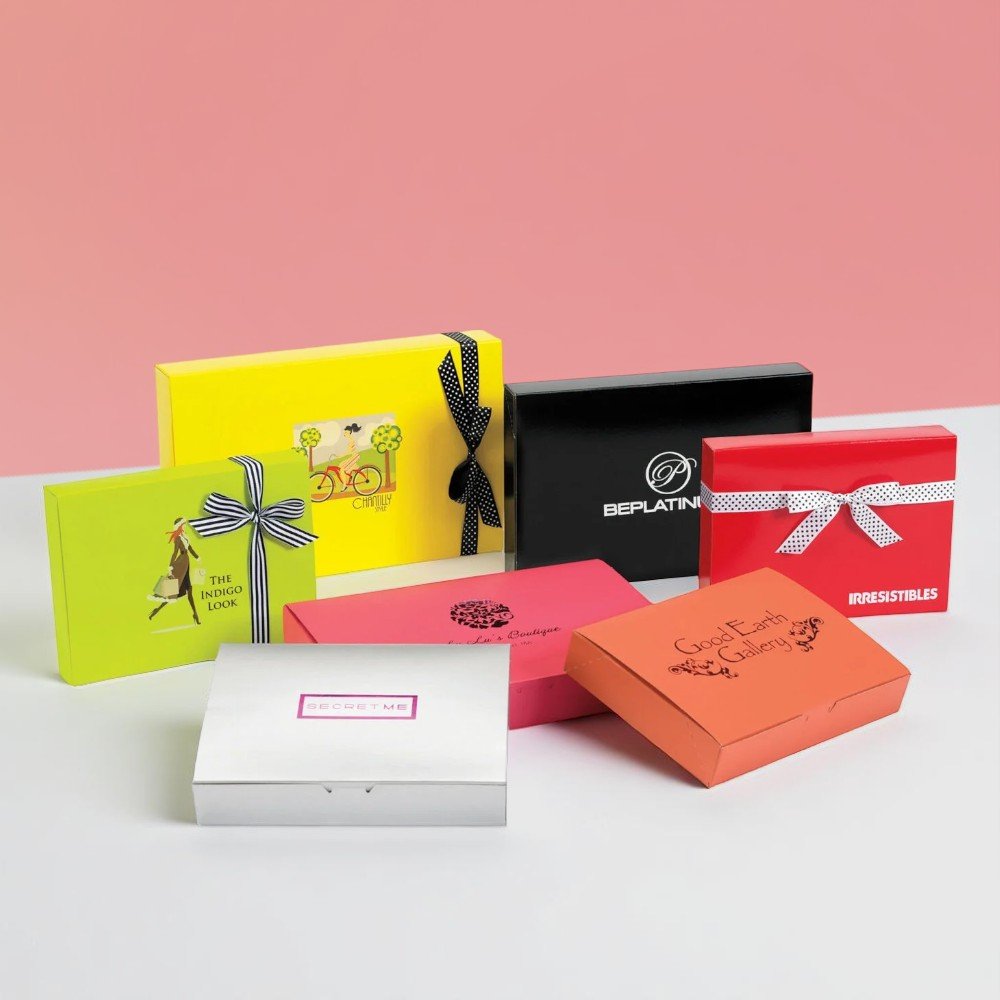
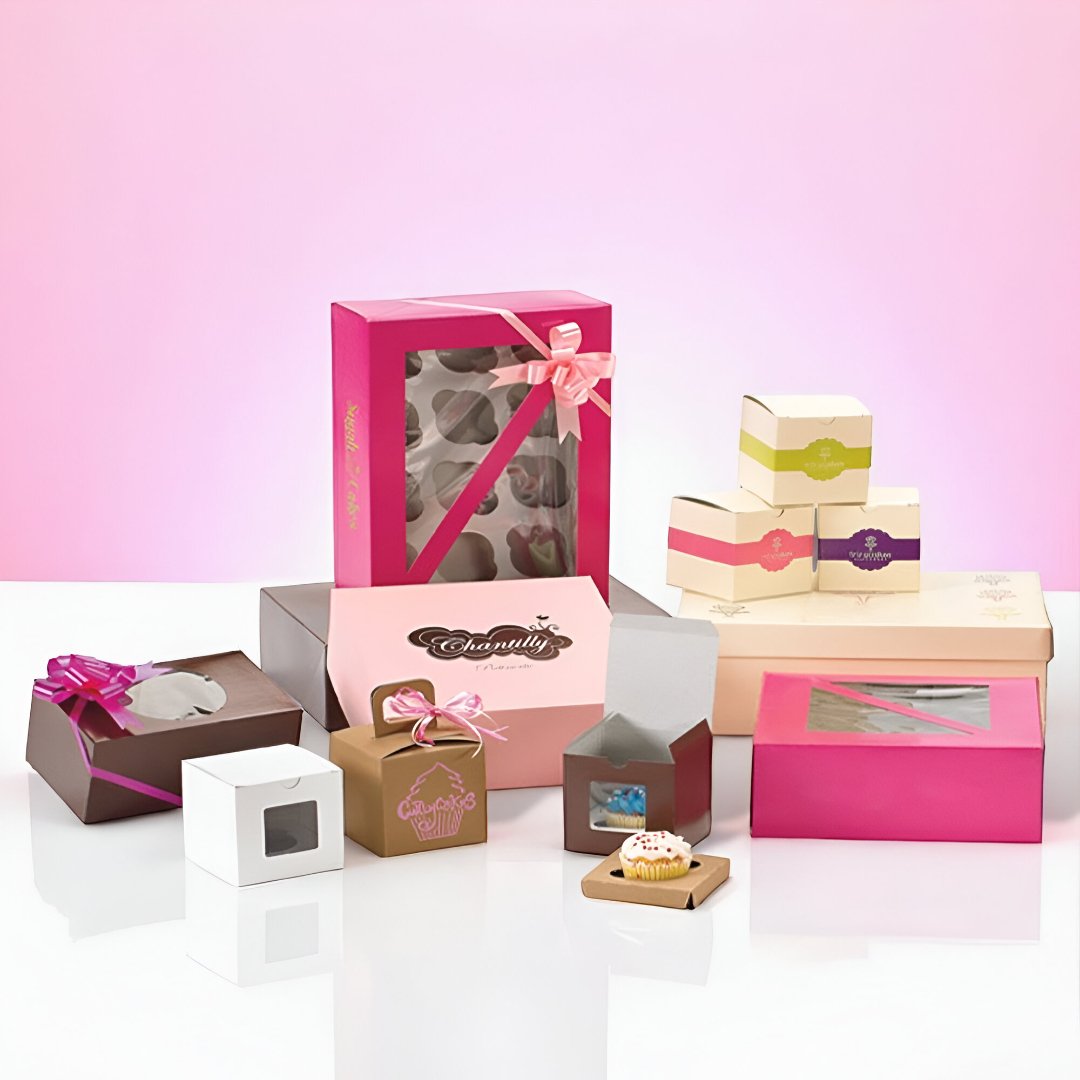
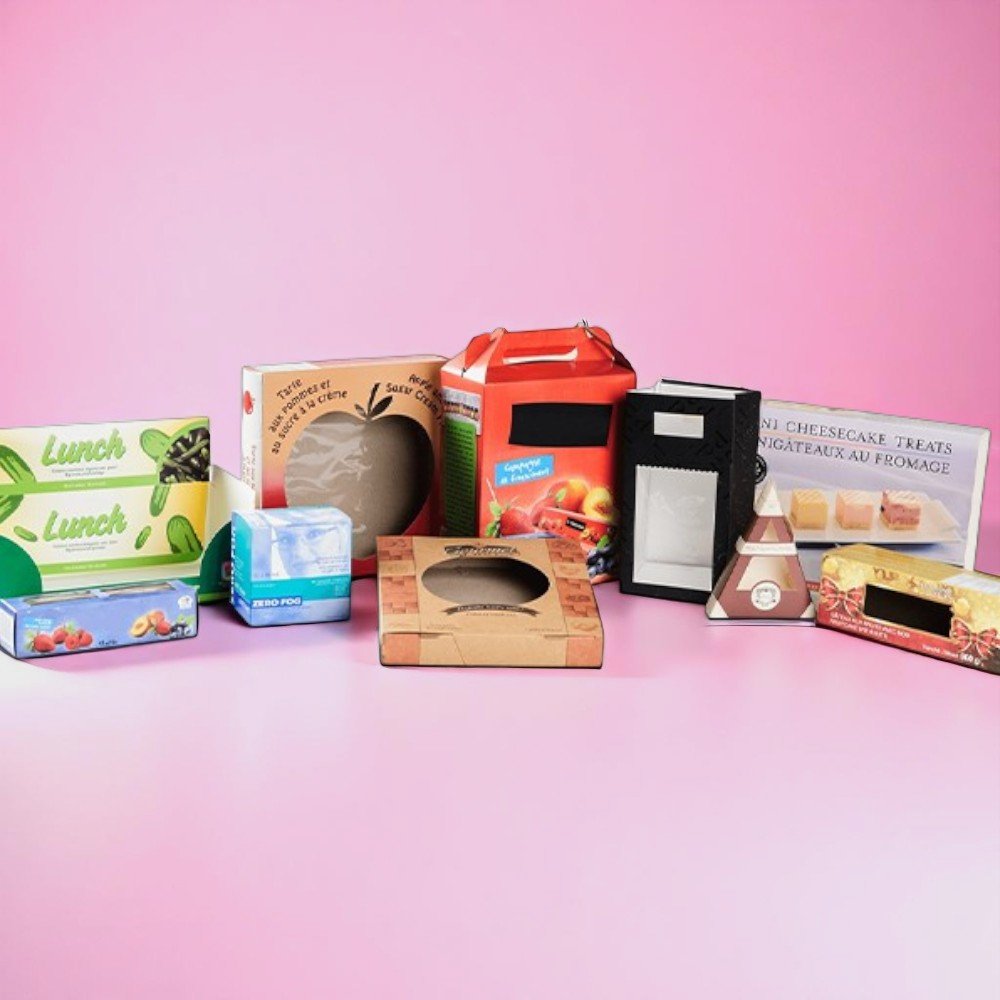
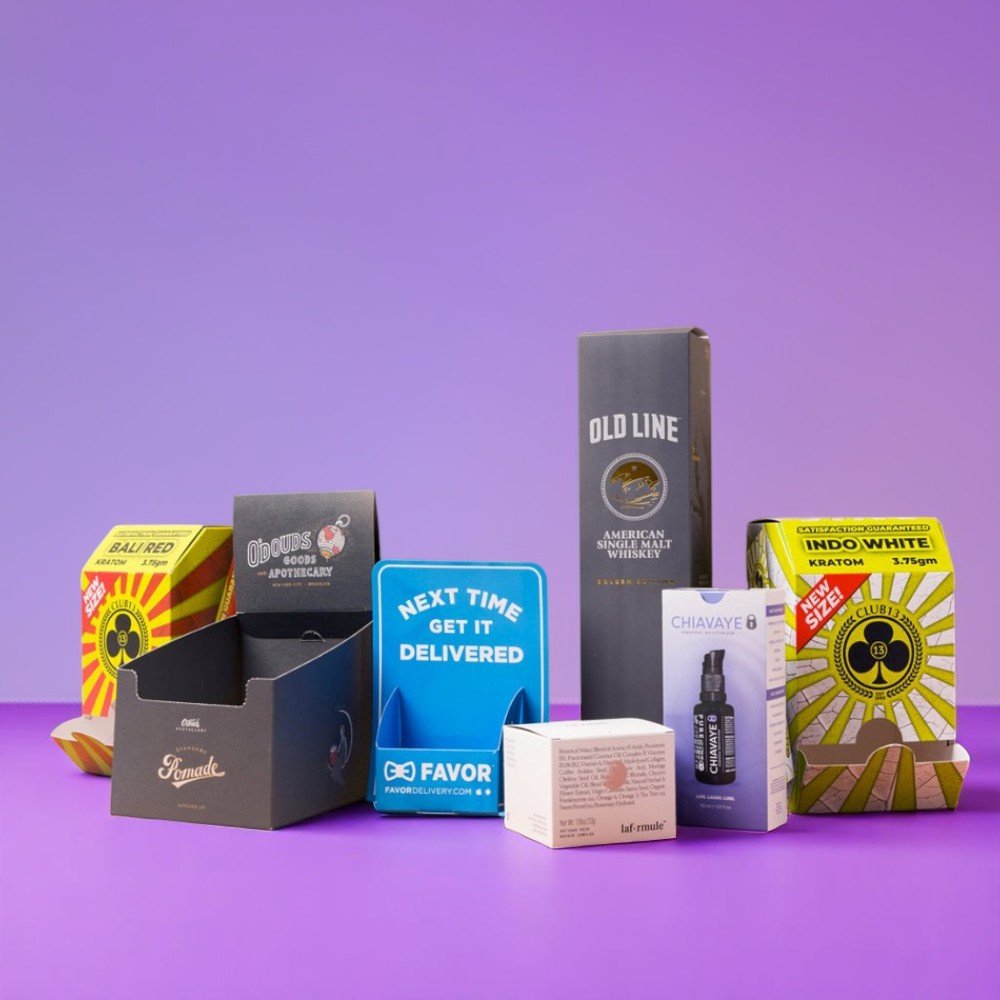
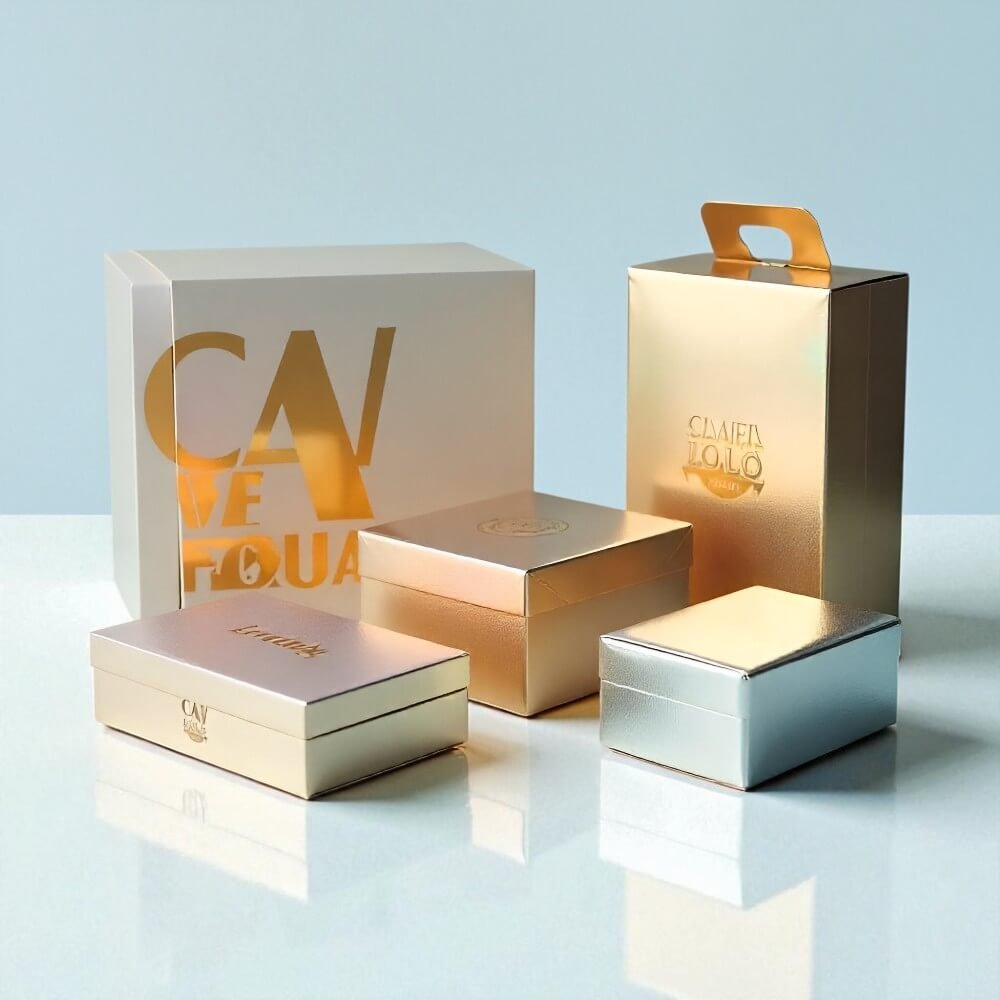
Varnish is a type of coating that is applied to the custom packaging to improve the look that is important. All of us have been in the situation where we pick up a box of cookies, a packet of biscuits, or a colorful cereal carton and feel the shiny look. That’s what catches our attention, and then we hold it to see what that is.
So if you are a brand that wants to catch the eye of the customer at first glance, then the varnish coating is something that you can choose. But many of the people probably don’t think about how the package looks and feels. Therefore, having a packaging partner who will support you throughout is also crucial. In this blog, let’s have a look at the varnish in packaging in more depth.
What Is Varnish in Packaging? Is it Coating or Printing Technique
Varnish is a thin coating applied to the outer surface of products, such as paperboard or cardboard. Think of it as a protective and decorative layer.
But what are the main constituents of it? Varnish is usually water‑based or UV‑cured, and it dries quickly. Once dry, it becomes part of the package surface. You can feel it, you can see how glossy it is, and it can protect the printing underneath.
Varnish and Lamination Difference to Clear Confusion
There is continuous debate among the people that these laminations and varnishes are the same. But not true; there exists a difference among them. Varnish is a liquid coating applied directly to printed surfaces. It gives a shiny or soft finish.
Lamination is the process of applying a thin layer of plastic to the surface that we see when we open many new items. Varnish and UV coating are also different from each other.
6 Most Used Types of Varnish Coating in Packaging That You Must Know About
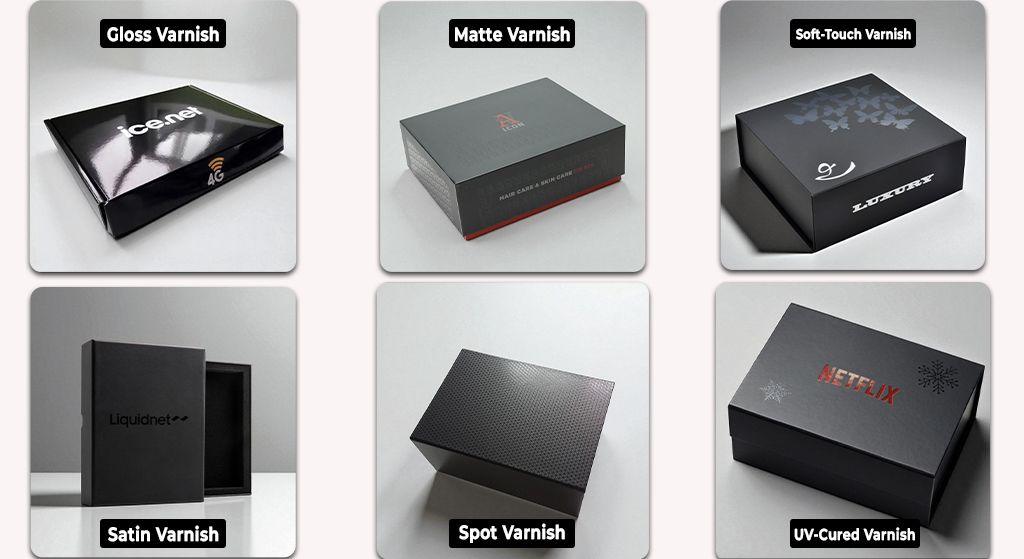
As a brand, to grow in the market, you should be able to be consistent and updated with the trends. There are several main types of varnish. Each has its own benefits and design effects:
Gloss Varnish that is More Common
Gloss varnish gives a shiny, bright finish just like a mirror‑like sheen. It makes colors pop, creates high contrast, and reflects light.
Pros: It is great for food or toy packaging that needs to attract attention.
Cons: However, it can show fingerprints easily and may glare under strong light.
Matte Varnish for a Mute Shine of the Boxes
Matte varnish gives a low‑shine, calm appearance. It absorbs more light and feels smoother.
Pros: It’s more resistant to fingerprints and glare, perfect for the luxury packaging that drives luxury.
Cons: The downside is that colors can look softer and less vivid.
Soft‑Touch Varnish for Suede Effect on the Packaging
This type of varnish is like a special matte to give a velvety, suede‑like surface.
Pros: It is used for high‑end perfume boxes, boutique chocolates, or premium electronics.
Cons: Soft‑touch can catch dust and may require special handling.
Satin (Silk) Varnish to Give a Look of Silk Boxes
Satin or silk varnish is between gloss and matte.
Pros: It gives a gentle sheen and smooth finish.
Cons: Satin varnish is useful when you want more charm than matte but less shine than gloss.
Spot Varnish
This type of varnish is applied only to specific areas, like logos, text, or images.
Pros: It creates contrast between varnished and unvarnished parts.
Cons: This technique draws focus to specific design elements only.
UV‑Cured Varnish
UV varnish is cured or hardened instantly using ultraviolet light. This makes it very hard and scratch‑resistant.
Pros: UV varnish can be eco-friendly in some cases because it has low volatile organic compounds (VOCs).
Cons: This can lead to a number of health risks.
The Varnish Process to Better Understand the Concept
The varnishing procedure in packaging encompasses multiple stages to guarantee a smooth and uniform application.
- Initially, the packaging material is printed with the chosen design employing ink. After the ink has dried, varnish is applied with a printing press or varnishing machine.
- The surface of the printed material is covered with varnish using a roller or spray nozzle, depending on the varnish type. Then varnish is dried, typically employing heat or UV light.
- This method strengthens the varnish and forms a protective barrier on the packaging material, improving its resilience and lifespan.
How Is Varnish Applied by Packaging Printers?
There are many packaging printers that are available in the market. Such as:
Offset Printing with Varnish Rollers on Them
Many printing presses have a varnish roller. After the ink is printed, the varnish roller applies coating over the entire surface. This is known as “flood varnish.”
Machines for Faster Coating
In UV‑coating, sheets are coated and walked under ultraviolet lamps for instant drying. This method offers high gloss and fast turnaround.
Digital Printers with Varnish Options for Shorter Runs
Newer digital print systems can add spot varnish or gloss effects. This offers flexibility for shorter runs and custom designs.
Screen Printing is Best for Packaging
In some cases, especially for large designs or specialty effects, varnish can be screen printed onto packaging.
But Why Use Varnish in Packaging? Reasons
There are endless reasons why you should go for the varnish coating for your brand.
Protection that Shields from Damages
Varnish acts as a shield against scuffs, scratches, moisture, dust, and fingerprints. This is important when boxes move through machines, trucks, or stores.
Better Appearance that Can’t Be Overlooked
Varnish brings out the colors and makes graphics look richer and brighter.
Texture and Feel When You Hold It
Varnish changes how the package feels. Like your customers who hold the items to buy, they feel the best texture from the very beginning.
Brand Image and Value for Higher-End Look
Using varnish can make packaging feel more premium or high-end. When the customer picks your product, they can feel the luxurious look itself.
Print Protection for a Longer Run
Varnish helps preserve colors and print quality against fading or abrasion.
Sustainability and Recycling Factor are Involved in Varnish Coating
A modern concern is whether varnished packaging is recyclable. Some varnishes are water-based and don’t affect recycling. Others, especially heavy-duty UV varnish, can cause issues in paper recycling mills. So, brands should:
- Water-based varnishes will be suitable if recycling is important.
- Always check eco-labels or compostable certifications.
- Clear labeling and communication about recyclability can also help consumers.
Real‑Life Examples of Custom Boxes that Can Be Varnish Coated
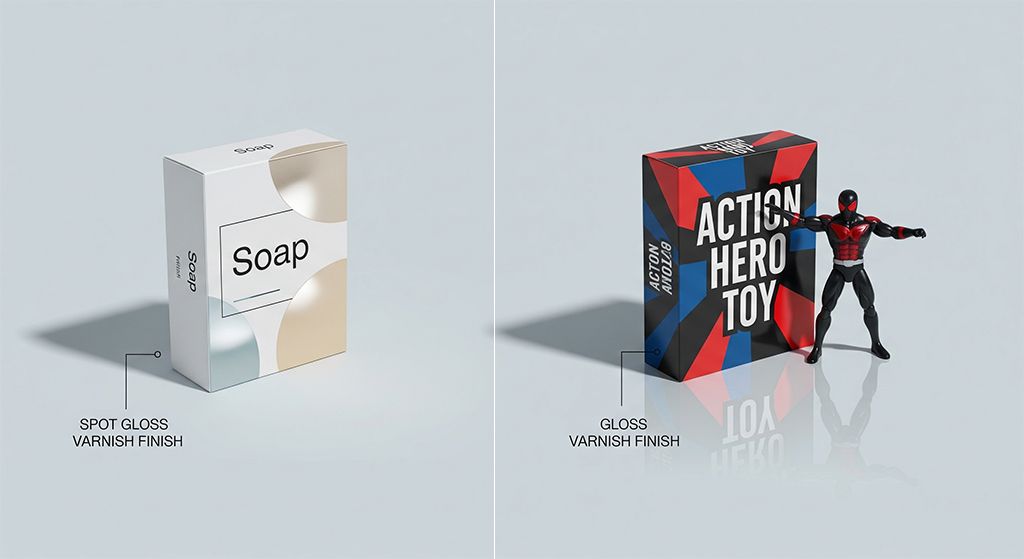
Let’s look at two quick varnish in packaging examples of how varnish can increase the chances of sales for your business.
- A boutique soap maker used matte varnish with spot gloss on floral illustrations. Result: boxes looked handcrafted, and the spot gloss made the illustration petals shine lightly. Customers loved how it felt and looked.
- A toy brand used full-gloss varnish on action-figure packaging. Bright colors and a shiny finish caught the kids’ eyes instantly.
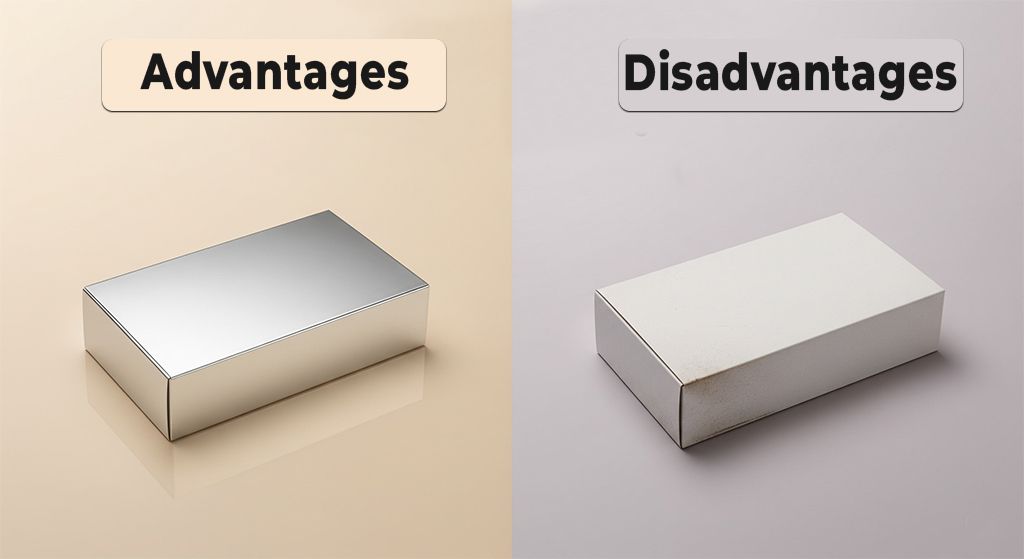
Advantages and Disadvantages of the Varnish Coating
Varnish coating comes with its benefits and drawbacks. Look at the table below to understand:
|
Advantages |
Disadvantages |
|
|
|
|
|
|
How UPacked is Helping You Get the Varnish Coating for Your Custom Box Needs?
UPacked is your ultimate partner in providing the best custom printing options, of which varnish is one. You can fill out the quote form and proceed further with the help of an expert team.
Concluding Words to End
Varnish coating is a necessary element that has to be added to the packaging boxes. It adds small details to the packaging and also protects it. So, investing in it for your brand could be really beneficial.
FAQS
What is varnish in packaging?
Varnish is a clear coating on packaging that improves appearance and adds protection.
What is varnish in packaging printing?
It’s a print finish that gives packaging a glossy, matte, or satin look while sealing the ink.
What is varnish coating on paper?
It’s a transparent layer that adds shine, texture, and durability to printed paper.
What are the types of varnish in printing?
Gloss, matte, satin, UV, and spot varnish are common types used for different effects.
What is varnish coating printing?
It’s the process of applying a varnish layer during or after printing for protection and finish.
What does varnish-free area mean?
It refers to sections of a design where varnish is intentionally not applied for visual contrast.
What is varnish used for in painting?
Varnish in painting is used to protect artwork and enhance its finish with a desired sheen.
Recent Blogs
From food and beauty to fashion, electronics, and more, our custom packaging boxes are designed to fit your products, reflect your brand, and stand out on the shelf. You tell us what you need and we will handle the rest. We offer a wide variety of packaging styles to suit every product, brand and occasion.
How Much Is A Quarter Of Weed?
A quarter of weed is 7 grams or one-quarter of an ounce of cannabis. In the USA, you can get...
Printer Paper Dimensions: Standard USA Sizes
North American and international are the two standard systems used to define standard printer paper dimensions. In the USA, the...
What Is Kraft Paper? Its Types And Application Guide
Kraft paper is a popular packaging choice today because it is made from strong and eco-friendly material. It is also...
9 Types Of Papers And Their Uses
Basically, paper is made of a thin layer of cellulose fibers, and it is divided into different types and subtypes....
What Is Foil Stamping? Its Types And Advantages
Foil stamping in printing is also known as hot foil stamping. This specialized printing technique uses heat, pressure and metal...
How To Ship Frozen Food? Across The Country And Which Shipping Companies To Choose
Shipping frozen food is simply placing items in a box and sending them on the way. Keeping the temperature according...
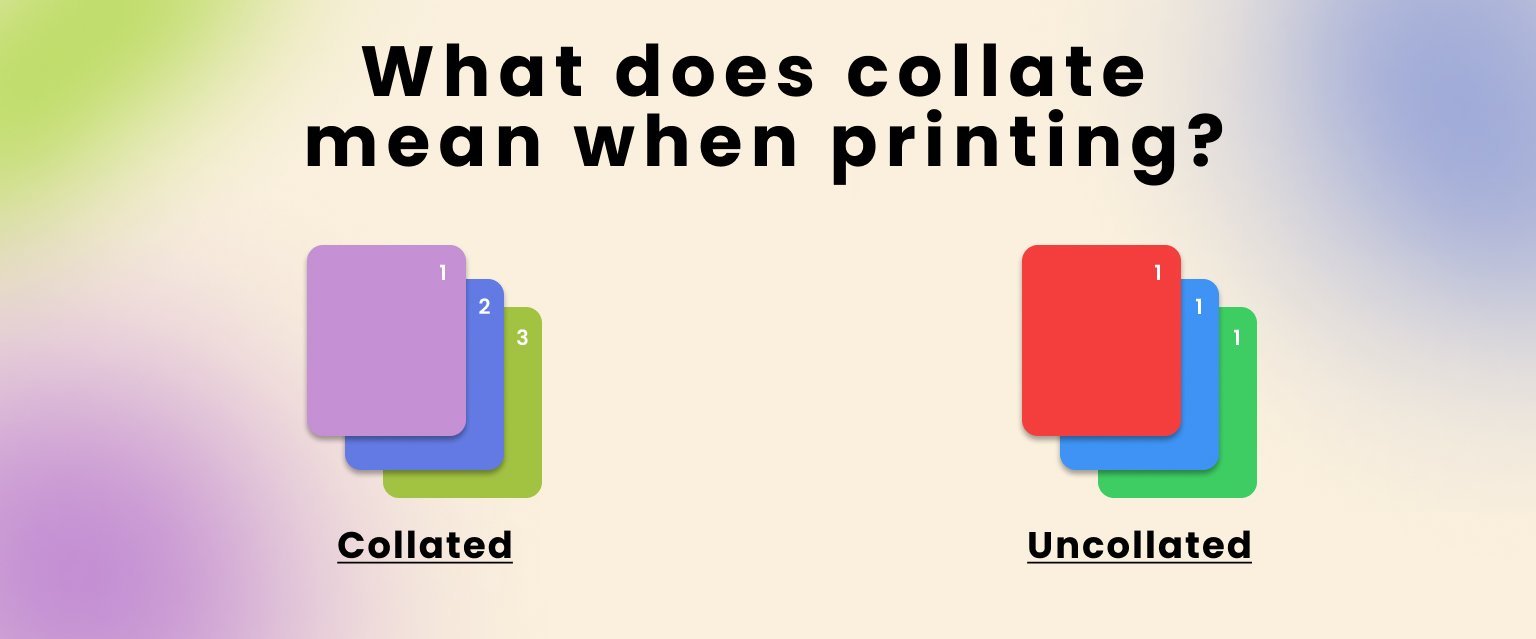
What Does Collate Mean When Printing? The exceptional guide
In printing, collating means organizing the output in sequential order. This refers to multiple copies of multiple-page documents. If we...
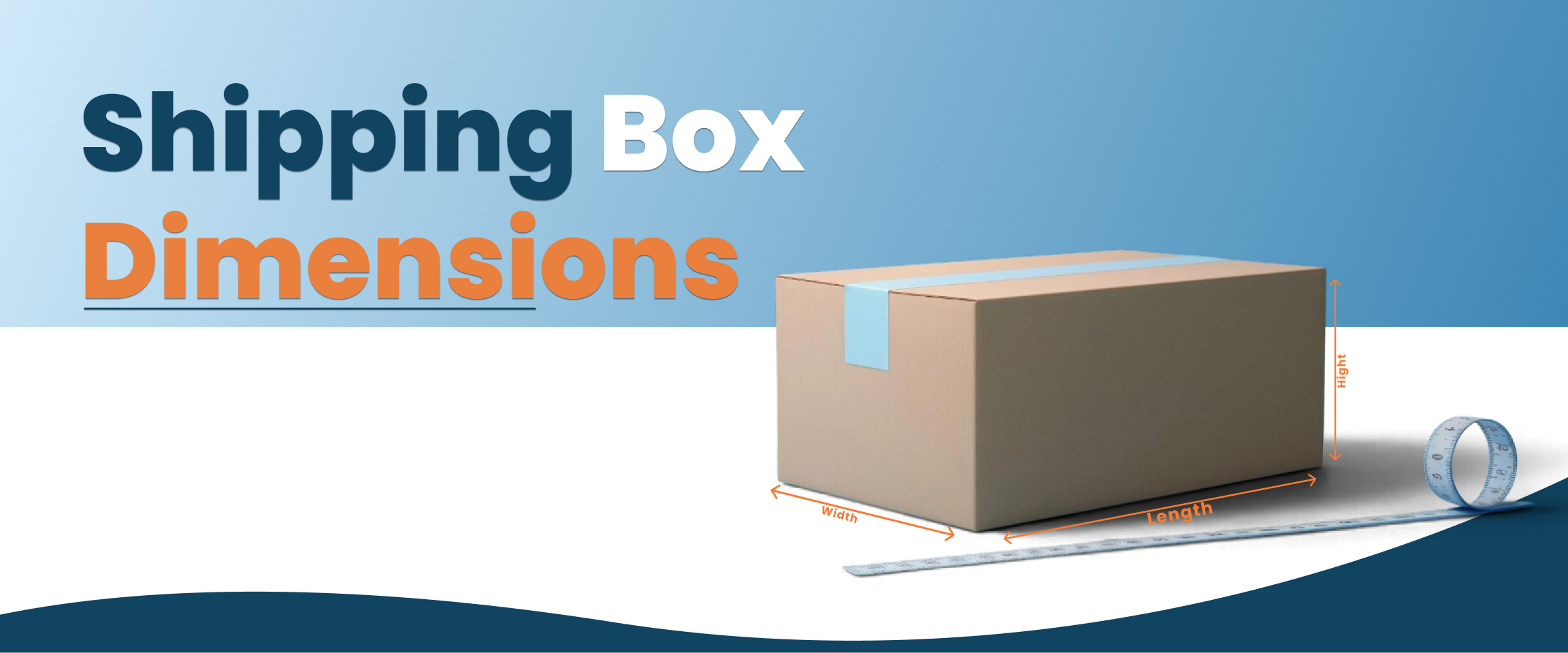
What Are Shipping Boxes? Detailed Guide To The Dimensions Of Shipping Box
Shipping boxes are typically made of corrugated cardboard. These boxes are specially designed to protect items from breaking during transit...

A Complete Guide To Baseball Card Dimensions
Baseball cards are collectible trading cards featuring baseball players, teams, images, biographical details and career statistics. In the USA, baseball...
A Detailed Guide On Bankers Box Dimensions
Banker boxes are strong and sturdy corrugated cardboard containers. You can store documents and office records in them. These boxes...
What is Varnish Coating in Printing and Packaging? Guide to All Answers
Varnish is a type of coating that is applied to the custom packaging to improve the look that is important....
What is Compostable? A Complete Guide to Everything
Most of us waste our food straight into the trash without giving it a second thought. Like we don’t have...
What is Shelf Ready Packaging? Complete Guide to Every Detail
If your product is great but your packaging is basic, you’re missing out. Like people buy things that are attractive...
How to Print on Cardstock? A Complete Guide to Follow
Have you ever picked up a superbly published invitation or a strong enterprise card and thought, “I want to make...

What Is Flat Rate Shipping? Everything You Need to Know
Customers are more likely to buy the boxes that have low shipping costs. About 50% of customers discard their cart...

Can You Put a Pizza Box in the Oven? Here’s What You Need to Know
In the US, 93% of people eat pizza monthly, and 13% eat it daily. Everyone orders and eats pizza and...
How to Create PR Packages? Tips and Examples to Follow
Many influencers are shining as a result of social media’s rise. They attract a lot of attention by sharing snippets...
What Is Sustainable Packaging? (And Why It Matters for Our Future)
What Is Sustainable Packaging? (And Why It Matters for Our Future) The demand for sustainable packaging has increased in recent...
How to Pack a Pack of Cigarettes? Easy Steps to Follow
Cigarettes are consumed by almost every other person nowadays. 22% of adults on average smoke on a daily basis. But...
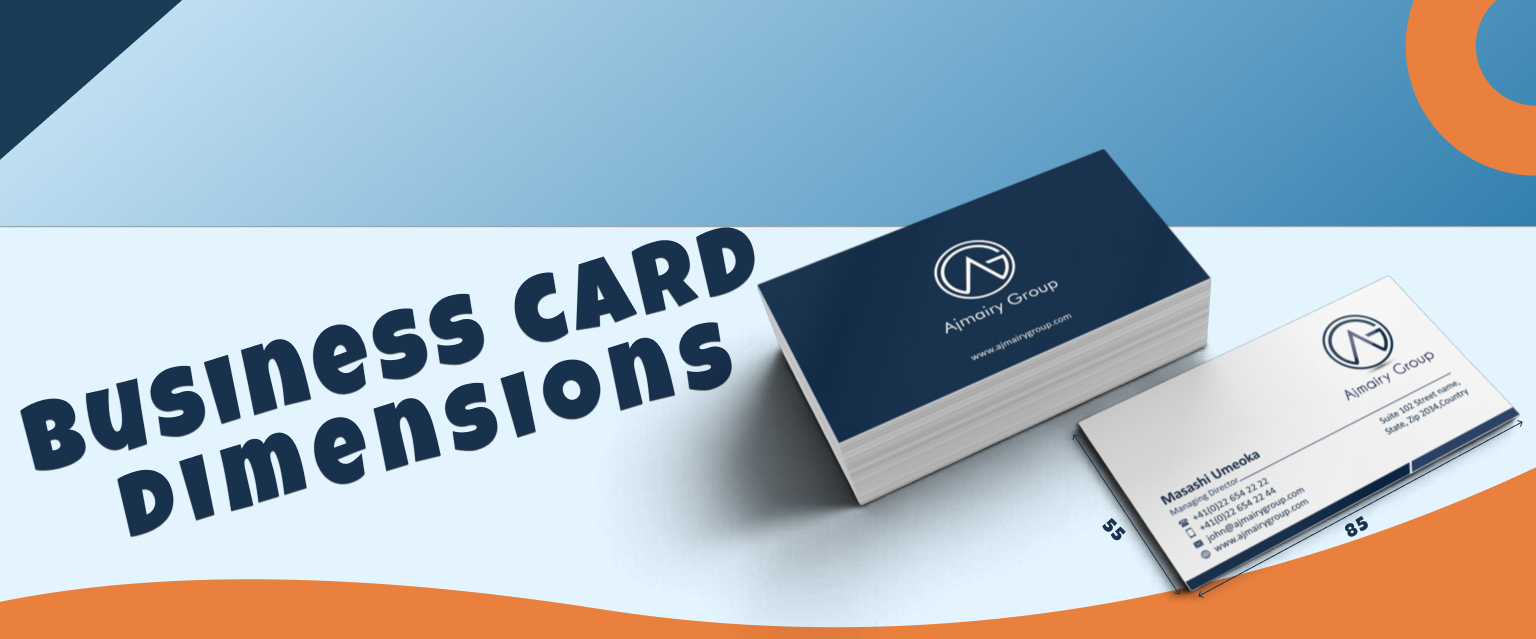
Business Card Dimensions And Size Guide
About 23% of individuals worldwide use business cards, either physical or digital. That means to make a good impression of...
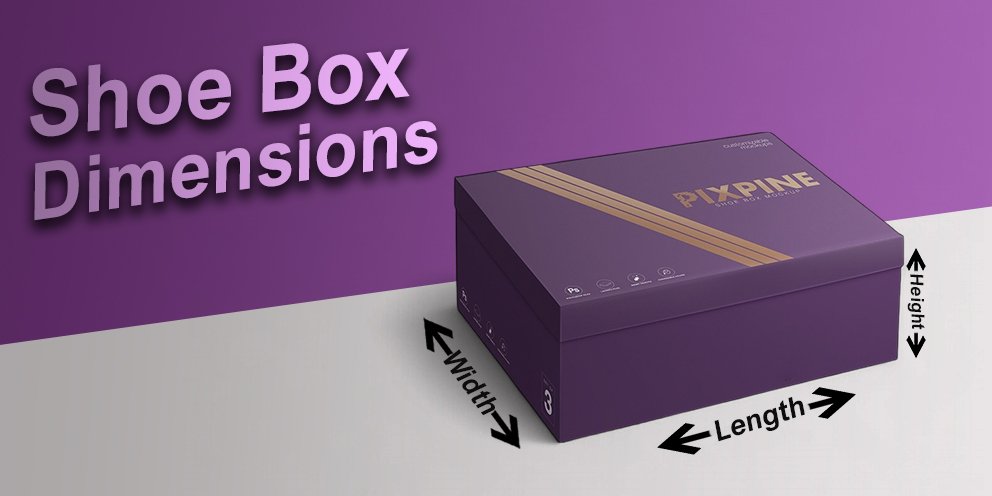
Shoe Box Dimensions: Guide to Everything You Need to Know
We all wear shoes, and most of us don’t think twice about the box they come in. But if you’ve...
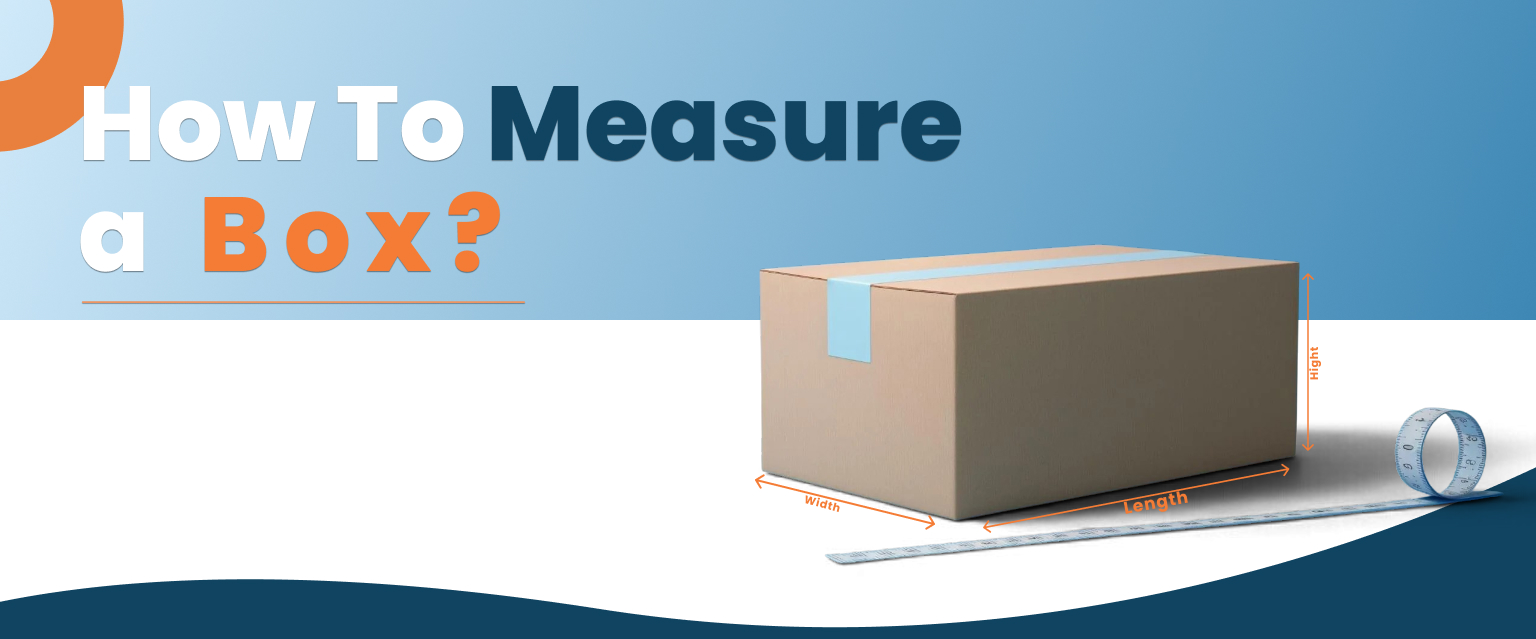
How To Measure A Box? Understanding Everything In A Step-By-Step Guide
Boxes are everyday things that you see daily. We just use them for many things to be done. And when...