
 USA
USA
 CA
CA


















How To Ship Frozen Food? Across The Country And Which Shipping Companies To Choose
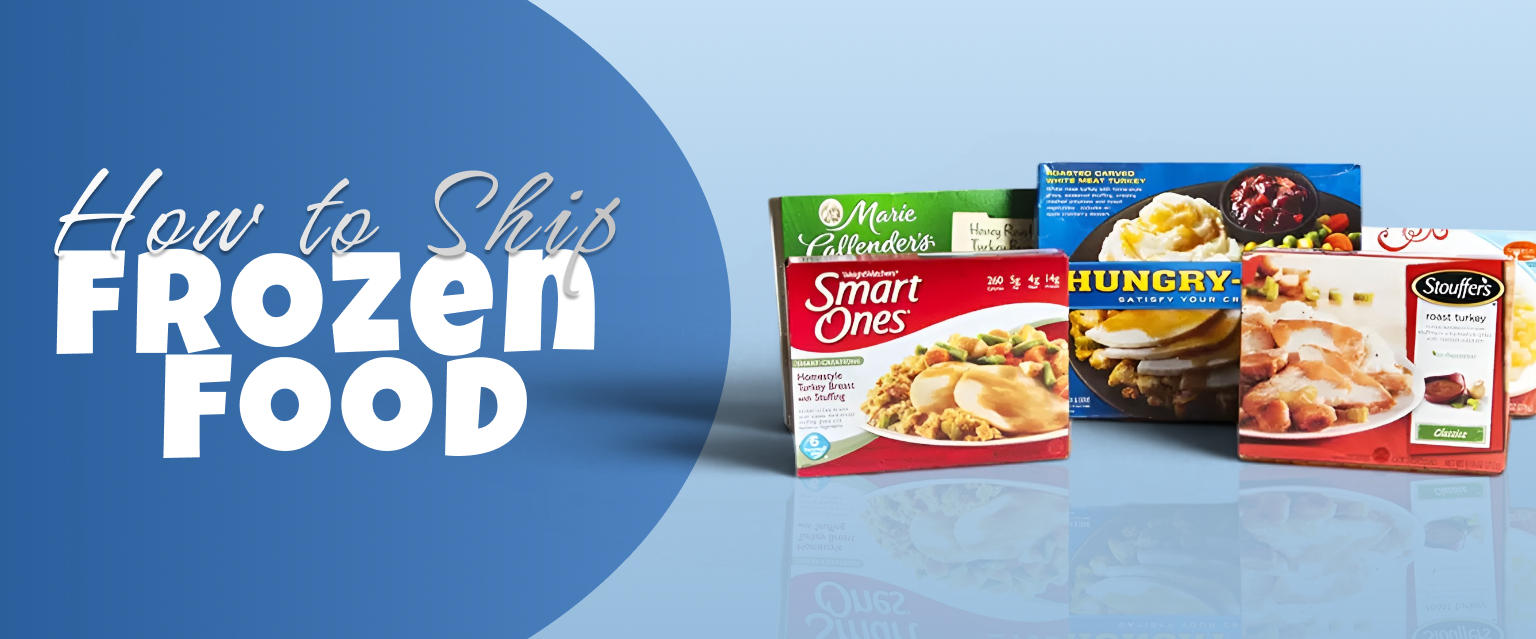
Shipping frozen food is simply placing items in a box and sending them on the way. Keeping the temperature according to frozen food is important for food quality and ensuring food safety standards. But it can be challenging too when there is a need to keep food frozen for a longer time during transit.
In this blog, we’ll explain how to ship frozen foods, choosing the right packaging and conditions of packaging to ensure the food arrives in a safe condition.
Select The Right Packaging Material
When you are choosing packaging for shipping frozen food, it is important that you choose the right material. Some packaging materials can be harmful to the food. And for shipping securely, you should use corrugated material because it is strong an keep the food safe.
Cardboard boxes are a suitable packaging material for frozen food shipping, which is made by applying a wax layer on cardboard. This resists moisture, which in turn keeps the product frozen.
Why Proper Packaging Matters?
Packaging plays an important role during the shipment of frozen food. Because if it is not secure, then the food can melt or moisture can easily reach the food, which will spoil the frozen food.
But if you choose packaging that is specially made for shipping frozen food then you can easily and protectively ship these items. With proper packaging, the frozen food stays fresh for a long time and also doesn’t have any odor.
Types of Insulated Shipping Containers
These containers slow down the heat transfer, which keeps the food fresh for a long time. Here are some types of these containers that you can use:
Expanded Polystyrene (Eps) Foam Coolers
These containers are commonly used for shipping frozen food because they are lightweight. EPS are a better choice for longer shipping times.
Polyurethane Insulated Boxes
Polyurethane containers give more insulation than regular ones. They are also a better choice for long shipments and require more temperature protection.
Reusable Insulated Containers
Reusable containers are durable and used for multiple shipments. These types are commonly used by businesses that regularly ship frozen foods.
Corrugated Shipping Boxes With Insulation
These are combinations of a strong outer box with an inner insulating layer to protect food from both temperature change and physical damage.
Which Container Is Best For Shipping?
The best container depends on the type of frozen food and delivery time.
- For short-distance shipping: eps are mostly used for 1 day and short distances, which is also a cost-effective option.
- For longer shipments: polyurethane offers the best temperature control and is widely used for long distances.
- Commercial shipping: Reusable insulated containers are best for commercial shipping because they can be used multiple times.
For most frozen food shipments, Polyurethane boxes are the best option because of their balance of temperature and protection.
How To Package Frozen Food For Shipping?
This is as important and necessary as selecting the right material for packaging. Using suitable customized food boxes with proper insulation can provide more protection and help to ensure arrival in frozen condition. There are some things that you should know about how to package and ship frozen food.
Freeze The Food Completely
Before packing, it is necessary that the product is frozen solid. Fully frozen products remain cold for a long period and minimize the risk of temperature change during transport.
Use Airtight And Leak Proof Packaging
Make use of sealed freezer bags or airtight containers for frozen products. This avoids leaks and moisture buildup.
Select The Right Container
Insulated boxes (polyurethane) and foam coolers should be used for shipping.
Add Frozen Gel Pack Or Dry Ice
Dry ice is ideal for longer shipments as it extends the frozen period. Frozen gel packs are suitable for a shorter time.
Pack Properly Inside Box
Organize frozen products closely together and keep cooling materials around them to maintain a low temperature.
Fill Empty Spaces
Use foams and packing papers to reduce air movement around products.
Seal The Package
Close the inner packaging and outer box with tape for proper handling.
Label The Package
Label the package like “ frozen” and “keep frozen”.
The Steps You Should Follow For Successful Shipment Of Frozen Foods
After understanding how to pack frozen food for shipping, you should follow some steps that can successfully complete your shipment. The first thing you should know about is what rules and regulations your chosen shipping company follows. And then, according to that, pack your frozen food.
Whatever boxes you are choosing should be perfect for that specific frozen food item. For secure shipping, you should properly refrigerate the food items. And you can also add gel packs or dry ice to keep them frozen for a long time. By following these steps, you can ship your frozen food protectively.
How Much Dry Ice To Ship Frozen Food?
The amount of dry ice depends on the size of the package, shipping time and type of frozen product. That’s why you should know how to ship frozen food with dry ice. Usually, 5-10 pounds is ideal for overnight shipping, while 10-20 pounds is required for two-day shipments.
Larger packets may also need extra dry ice to keep the freezing temperature consistent. Using high-quality insulated packaging minimizes the slowdown of dry ice loss and keeps frozen food in good condition.
Overnight Vs. Two-Day Shipping: Which Is Better?
Deciding between overnight and two-day shipping depends on delivery distance and how long the product requires to stay frozen.
Difference Between Overnight and Two-Day Shipping
Overnight shipping delivers packages in one day. It is safe for highly perishable foods because there is less chance of temperature change or the product losing its frozen condition.
Two-day shipping requires more days than overnight but it is more affordable. It is the best option with proper insulation, dry ice and gel packs.
Why You Should Choose Overnight Shipping?
Overnight shipping is commonly used in summer and especially for seafood or premium frozen food items. Because at this time, the temperature stays the same.
Is Two-Day Shipping A Good Option?
Two-day shipping is a good option for frozen food items that can stay fresh and frozen for a longer period of time. These are slightly cheaper than overnight shipping.
How Much Does It Cost To Ship Frozen Food Overnight?
The price of shipping frozen food depends on package size, destination and cooling requirements. On average, overnight frozen food shipping may vary from $50 to $ 150+, especially with insulated containers and dry ice.
To know the proper details of cost, you should know how to ship frozen food overnight. Smaller packages may cost less, while larger packages usually cost higher shipping fees. Selecting the right packaging can reduce costs with frozen food safe during shipping.
Shipping Frozen Food Across Country
Across long distances, shipping requires the right preparation to keep products frozen and safe. To ship frozen foods across the country successfully, food must be completely frozen and must be shipped using proper insulated packaging such as foam coolers or insulated boxes.
Dry ice or pack gels are also used to maintain cold temperatures during the journey and choose a reliable shipping method. Proper labeling also helps to prevent delays and ensure products arrive on time. For more guidance on insulated packaging, get in touch with our experts at UPacked.
Cost-Saving Tips For Shipping Frozen Food
Shipping frozen food can become expensive due to packaging and cooling materials. But using strategies can reduce costs without affecting food quality.
- Choose the right package size.
- Compare shipping carriers
- Use quality insulation
- Buy packaging material in bulk
- Plan shipments carefully
Cost Differences Between UPS, FedEx And USPS
Before choosing any shipping company, you should know how to overnight ship frozen food. So you can choose the company that is perfect for you.
UPS
Before selecting this company for shipping your frozen food, you should know the steps of how to ship frozen food UPS. They provide a maximum shipping time of 30 hours and also provide tracking of shipping that helps the receiver know when their package will arrive.
How Much Does It Cost To Ship Frozen Food UPS?
They have two shipping options: Next Day Air and 2nd Day Air. Next Day Air costs start at $32.09 and 2nd Day Air prices start at $20.24.
FedEx
It is important that you know how to ship frozen food FedEx before you select them as your shipping partner. Their shipping time doesn’t exceed 30 hours.
How Much Does It Cost To Ship Frozen Food FedEx?
They offer three types of shipping and each type’s price starts at a different rate: standard overnight ($28.24), priority overnight ($30.31) and first overnight ($60.31).
USPS
If you have information about how to ship frozen food USPS, then you will know that they don’t provide any refrigeration services. You can ship your frozen food at your own risk.
How Much Does It Cost To Ship Frozen Food USPS?
They have Priority Mail, whose price starts at $7.70 and their Priority Mail Express price starts at $26.35.
You can also learn about their flat rate shipping charges and if you don’t know about flat rate shipping. Then read our blog What Is Flat Rate Shipping, so you can use it when needed.
Ensuring Food Quality And Safety Upon Delivery
Checking food safety after delivery is important for frozen products. Proper handling and quick inspection after arrival help to maintain the quality of frozen food.
- Check the package condition
- Confirm the food is still frozen or chilled
- Store frozen items instantly after arrival
- Follow proper handling practices
- Use temperature monitoring tools
Common Challenges While Shipping Frozen
Now you know how to ship frozen food to someone, but before doing that, you should also know about the challenges that you can face. We have written down the challenges and also the precautions you can take.
- Temperature can change during shipping. So make sure that you contact the receivers 24 hours before they receive the package so they can prepare the freezer.
- Coordinate with receivers during shipping and ask them to prepare the freezer so the moisture cannot damage the food.
- You should know all about how to ship frozen food in the mail and should choose routes that are as short as possible.
Conclusion
Transporting frozen food depends on preparation, from selecting packaging material to maintaining the temperature throughout the journey. With proper planning and handling, frozen foods can be delivered in excellent condition.
By understanding the right packing methods and how to keep food frozen while shipping, businesses can make deliveries easier.
FAQ’s
How To Ship Frozen Food Across The Country?
To ship frozen food overseas wants proper insulated packaging with dry ice or cooling packs and compliance with international shipping regulations.
How To Ship Frozen Food Without Dry Ice?
Frozen food without dry ice requires proper sealing of insulated packaging and fast shipping methods to maintain cold temperature from preventing thawing.
How To Ship Frozen Food Cheaply?
To ship frozen food cheaply involves choosing cost-effective packaging, reducing package size and selecting the right shipping method while keeping food safely frozen.
What Are The Risks Of Shipping Frozen Food?
The risks of shipping frozen food are defrosting, moisture buildup and food safety issues due to improper handling.
How To Ship Frozen Food To Another State?
It requires proper insulated packaging, fast delivery options and careful handling throughout the journey.
How To Ship Frozen Food Overnight USPS?
You can ship frozen food overnight with USPS but at your own risk because they don’t have refrigeration services.
What Should Be The Temperature Of Frozen Food For Shipping?
The temperature that is FDA-compliant is -18C to -23C. At this temperature, you can easily ship frozen vegetables, meat or any other frozen items.
Recent Blogs
From food and beauty to fashion, electronics, and more, our custom packaging boxes are designed to fit your products, reflect your brand, and stand out on the shelf. You tell us what you need and we will handle the rest. We offer a wide variety of packaging styles to suit every product, brand and occasion.
Standard Box Dimensions: A 5 Minutes Guide For You
The dimensions recommended for basic boxes are 1in x 1in x 1in and 1in x 1in x 2in for the...
Standard Comic Book Dimensions And Their Types
Comic books are literature based on multiple genres to amuse multiple audiences. North America is considered the largest market for...
How Much Is A Quarter Of Weed?
A quarter of weed is 7 grams or one-quarter of an ounce of cannabis. In the USA, you can get...
Printer Paper Dimensions: Standard USA Sizes
North American and international are the two standard systems used to define standard printer paper dimensions. In the USA, the...
What Is Kraft Paper? Its Types And Application Guide
Kraft paper is a popular packaging choice today because it is made from strong and eco-friendly material. It is also...
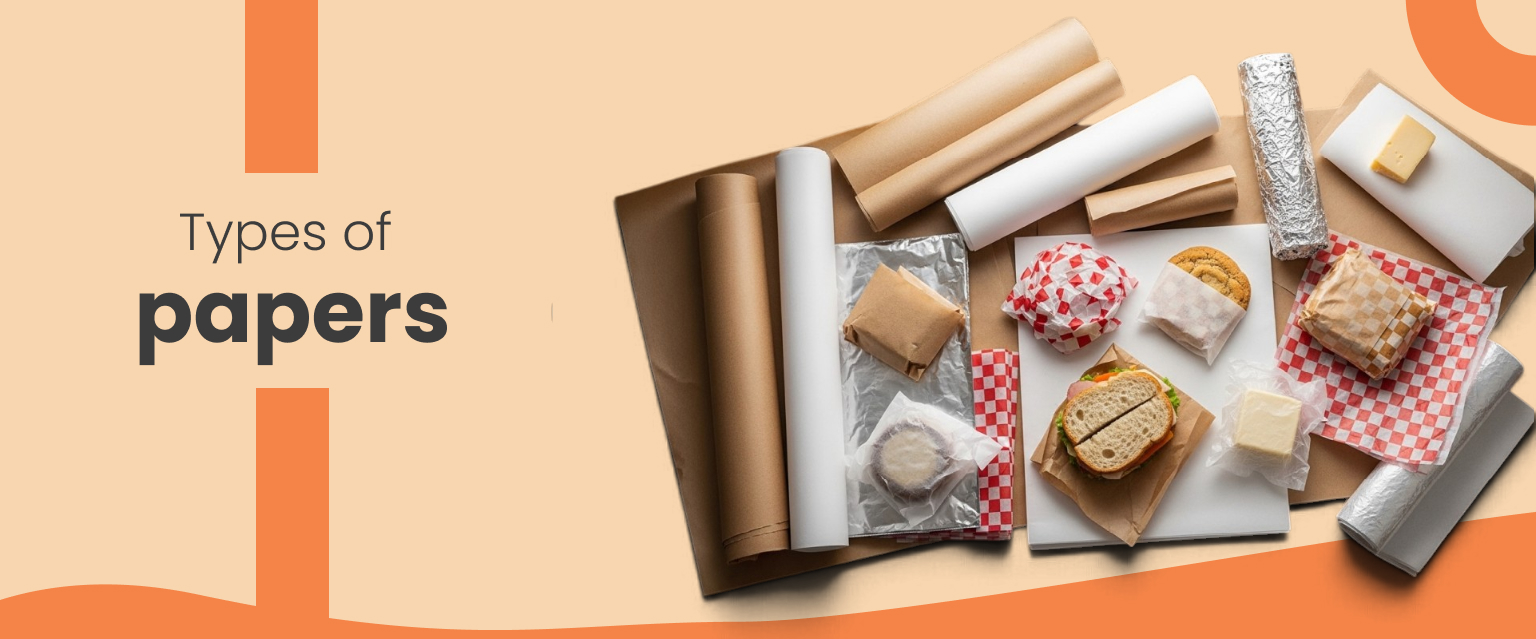
9 Types Of Papers And Their Uses
Basically, paper is made of a thin layer of cellulose fibers, and it is divided into different types and subtypes....
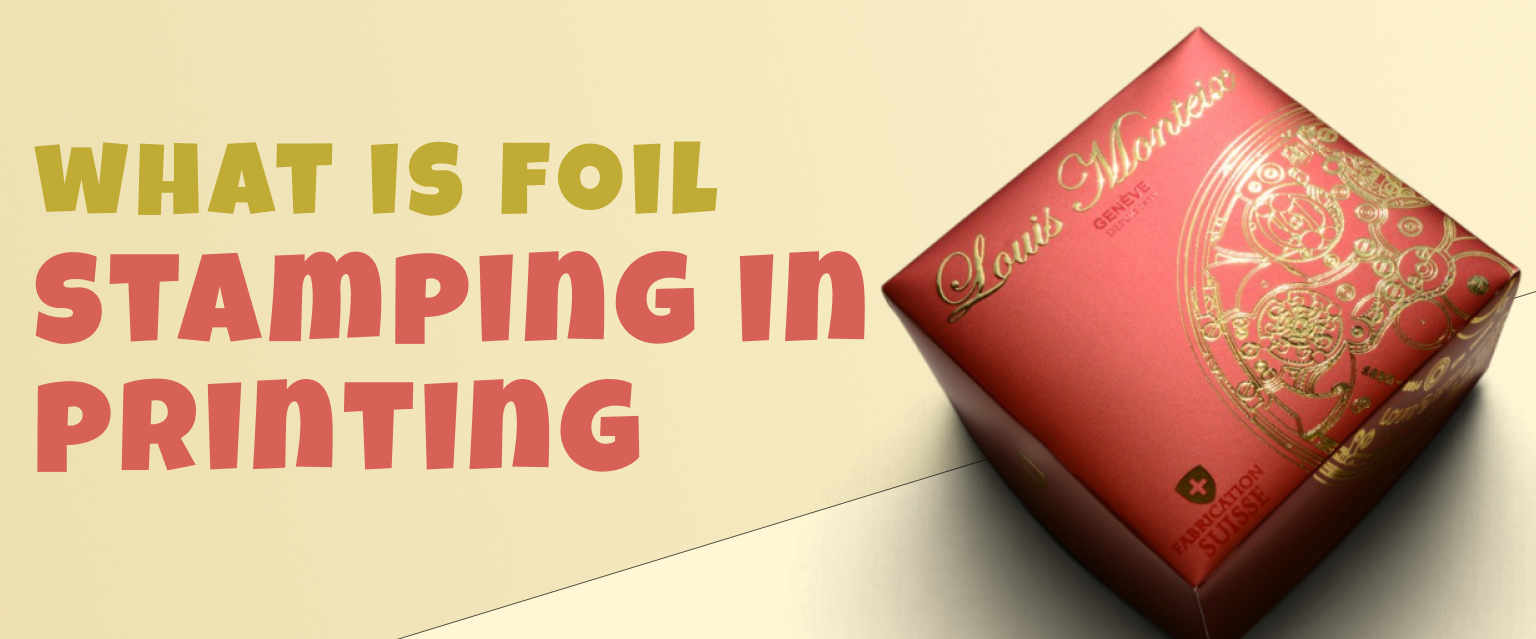
What Is Foil Stamping? Its Types And Advantages
Foil stamping in printing is also known as hot foil stamping. This specialized printing technique uses heat, pressure and metal...
How To Ship Frozen Food? Across The Country And Which Shipping Companies To Choose
Shipping frozen food is simply placing items in a box and sending them on the way. Keeping the temperature according...
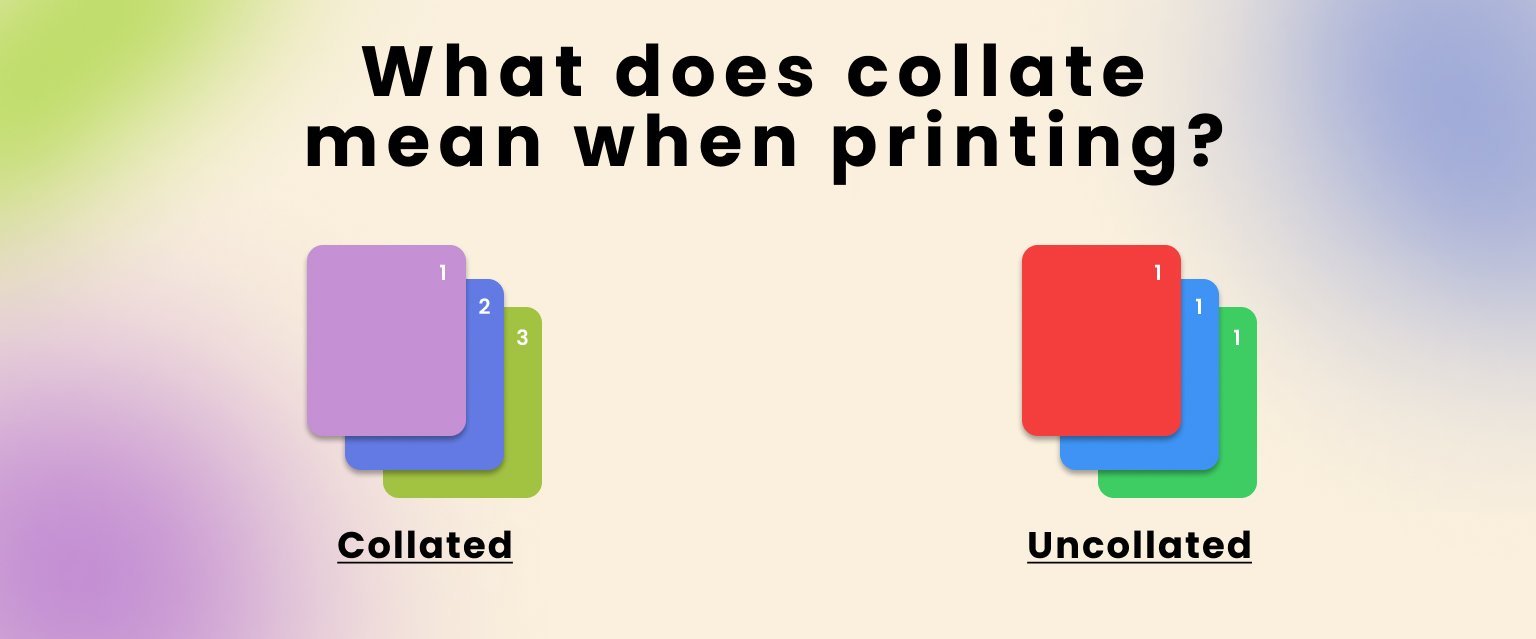
What Does Collate Mean When Printing? The exceptional guide
In printing, collating means organizing the output in sequential order. This refers to multiple copies of multiple-page documents. If we...
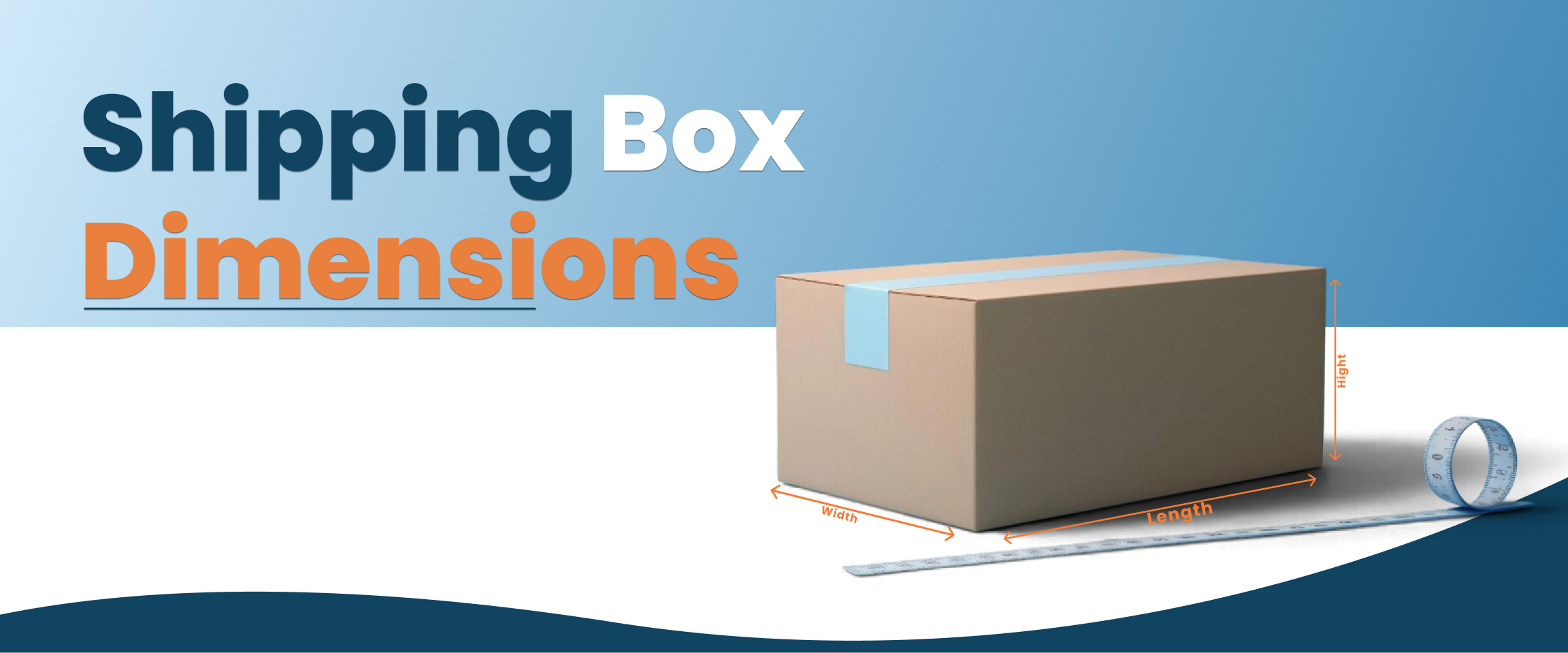
What Are Shipping Boxes? Detailed Guide To The Dimensions Of Shipping Box
Shipping boxes are typically made of corrugated cardboard. These boxes are specially designed to protect items from breaking during transit...

A Complete Guide To Baseball Card Dimensions
Baseball cards are collectible trading cards featuring baseball players, teams, images, biographical details and career statistics. In the USA, baseball...
A Detailed Guide On Bankers Box Dimensions
Banker boxes are strong and sturdy corrugated cardboard containers. You can store documents and office records in them. These boxes...

What is Varnish Coating in Printing and Packaging? Guide to All Answers
Varnish is a type of coating that is applied to the custom packaging to improve the look that is important....
What is Compostable? A Complete Guide to Everything
Most of us waste our food straight into the trash without giving it a second thought. Like we don’t have...
What is Shelf Ready Packaging? Complete Guide to Every Detail
If your product is great but your packaging is basic, you’re missing out. Like people buy things that are attractive...
How to Print on Cardstock? A Complete Guide to Follow
Have you ever picked up a superbly published invitation or a strong enterprise card and thought, “I want to make...

What Is Flat Rate Shipping? Everything You Need to Know
Customers are more likely to buy the boxes that have low shipping costs. About 50% of customers discard their cart...
Can You Put a Pizza Box in the Oven? Here’s What You Need to Know
In the US, 93% of people eat pizza monthly, and 13% eat it daily. Everyone orders and eats pizza and...

How to Create PR Packages? Tips and Examples to Follow
Many influencers are shining as a result of social media’s rise. They attract a lot of attention by sharing snippets...
What Is Sustainable Packaging? (And Why It Matters for Our Future)
What Is Sustainable Packaging? (And Why It Matters for Our Future) The demand for sustainable packaging has increased in recent...

How to Pack a Pack of Cigarettes? Easy Steps to Follow
Cigarettes are consumed by almost every other person nowadays. 22% of adults on average smoke on a daily basis. But...

Business Card Dimensions And Size Guide
About 23% of individuals worldwide use business cards, either physical or digital. That means to make a good impression of...
Shoe Box Dimensions: Guide to Everything You Need to Know
We all wear shoes, and most of us don’t think twice about the box they come in. But if you’ve...
How To Measure A Box? Understanding Everything In A Step-By-Step Guide
Boxes are everyday things that you see daily. We just use them for many things to be done. And when...