 USA
USA
 UK
UK
 CA
CA









































Minimalism and Cognitive Load Minimization in Interface Layout
Modern interface design favors simplicity to lessen psychological pressure on people. Minimalism eliminates unnecessary visual components that compete for attention. Clean layouts allow users to focus on key jobs without distraction. Designers eliminate decorative elements that contribute no functional utility.
Why simplicity has become a necessity rather than a trend
Virtual offerings have expanded exponentially over the past decade. People engage with dozens of applications daily across multiple devices. Each platform requires focus and cognitive resources. People encounter persistent information overload from notifications, messages, and updates.
Focus durations have diminished significantly in reaction to electronic saturation. Research shows people casino con bonus senza deposito invest mere seconds assessing whether to persist utilizing an UI. Complicated interfaces cause instant abandonment as individuals seek simpler alternatives.
Mobile devices have revolutionized how people reach virtual offerings. Compact screens cannot accommodate cluttered designs without compromising usability. Touch engagements demand bigger, clearer components than mouse-based browsing.
Competition forces companies to differentiate through user experience rather than functions alone. Simplicity in minimalism and cognitive burden minimization in interface layout has turned a competitive necessity. Organizations like bonus casino senza deposito recognize that minimizing mental strain immediately influences engagement metrics.
What mental load really signifies in electronic contexts
Mental burden pertains to the cognitive exertion required to handle information and complete jobs. Working retention has finite ability to store and process information concurrently. When UIs display too much data at once, people encounter overload that diminishes effectiveness.
Three types of mental burden impact virtual engagements. Internal load corresponds to the built-in difficulty of the activity itself. Extraneous load originates from poorly constructed elements that introduce superfluous difficulty. Relevant burden involves the cognitive effort of mastering fresh structures.
Electronic contexts generate distinct cognitive obstacles compared to tangible areas. Displays show bonus casin? various tiers of information contending for focus. Dynamic components require constant evaluation of available operations and their consequences.
Heavy mental load manifests through specific user actions. Users commit more mistakes when overwhelmed by options or visual difficulty. Activity completion times grow as users fight to locate relevant information. Minimalism and mental burden minimization in UI layout tackle these quantifiable pain issues.
How minimalism aids people process information faster
Minimalist approach reduces the number of elements people must evaluate before performing action. Fewer visual elements indicate reduced duration invested scanning and sorting unrelated data. The mind handles streamlined designs more efficiently than dense, messy screens.
Visual processing pace grows when systems use uniform patterns and limited color schemes. The gaze moves organically through organized content without redundant pauses. Distinct typeface hierarchies steer focus to important information first.
Choice paralysis declines when choices are selected rather than comprehensive. Studies demonstrates that excessive choices slow decision-making and reduce satisfaction. Minimalist approaches display only critical options at each touchpoint stage.
Data organization benefits from minimalist guidelines that favor material bonus senza deposito casino over embellishment. Progressive revelation reveals difficulty only when needed for particular activities. Users access advanced functions without facing them during simple processes.
Load times enhance when layouts strip heavy images and superfluous code. Minimalism and mental load reduction in interface design create measurable gains in task finishing metrics and customer trust.
The role of visual organization in decreasing cognitive effort
Graphical hierarchy structures interface elements by significance to guide customer focus methodically. Size, hue, contrast, and location convey comparative significance without requiring conscious examination. People instinctively process larger, stronger elements before smaller, subdued elements.
Typography structure creates distinct connections between titles, subtitles, and body copy. Stable sizing and thickness produce predictable patterns that users absorb quickly. Skimmable arrangements permit people to obtain key elements without reviewing every term.
Hue structure steers focus to clickable components and essential messages. Key actions receive noticeable color treatment while alternative options use subdued tones. People reach faster decisions when visual priority matches practical significance.
Positional hierarchy uses positioning and grouping to form logical content zones. Connected components gather together while negative space divides distinct practical zones. People casino con bonus senza deposito grasp connections between elements through proximity rather than clear tags.
Effective hierarchy in minimalism and cognitive load minimization in UI design removes conflicting attention areas that split attention and increase processing time.
Why fewer elements contribute to clearer decision-making
Choice quality deteriorates when users confront too many simultaneous options. Psychological research recognizes option bombardment as a impediment to assured steps. Users experience stress and defer choices when confronted with numerous options. Restricting options to essential options speeds the decision procedure.
Each further interface component introduces a potential interruption that shifts mental resources. Users bonus casin? must judge whether each shown component connects to their current target. Stripping unnecessary elements liberates mental capacity for important choices.
Evaluation exhaustion happens when people must assess many alike options against each other. The cognitive work required to distinguish between choices increases exponentially with number. Filtered selections lower comparison burden and enable people find fitting choices quicker.
Distinct pathways arise when interfaces present focused choices at each decision stage. Minimalism and cognitive load reduction in interface design create choice settings where the correct action appears clear rather than unclear.
How whitespace improves focus and clarity
Negative space creates relief room around material that stops graphical overwhelm. Blank area between components enables the gaze to pause and reset between information groups. People analyze content more correctly when visual compactness remains reasonable.
Reading understanding enhances considerably with adequate line spacing and borders. Text chunks enclosed by negative space look more accessible and fewer daunting. Appropriate spacing between paragraphs signals organic rest locations that aid information retention.
Negative space defines practical boundaries without demanding apparent lines or separators. Negative space clusters related elements and divides separate material zones. People comprehend UI arrangement through positional connections rather than direct visual markers bonus senza deposito casino.
Concentration strengthens when empty space separates key components from nearby material. Call-to-action controls acquire visibility through enclosing blank area that attracts attention. Strategic employment of empty space in minimalism and mental burden minimization in interface layout steers attention without introducing visual complexity.
The link between minimalism and usability
Minimalism directly improves functionality by eliminating obstacles between users and their goals. Streamlined interfaces lower the training curve required to attain competence. Users bonus casin? finish tasks with less steps when redundant difficulty is eliminated.
Functionality rules correspond organically with simple design strategies:
- Learnability enhances when UIs display only core functions at first
- Productivity grows as users move through streamlined paths without detours
- Retention increases when consistent patterns supersede different layout treatments
- Error avoidance succeeds through distinct alternatives that minimize uncertainty
Inclusivity profits substantially from minimalist rules that favor transparency. Display assistive tools move through simplified arrangements more efficiently than intricate arrangements. Keyboard navigation turns more reliable with fewer clickable components.
Research shows that simple UIs consistently surpass capability-heavy options in usability metrics. Minimalism and mental load reduction in interface layout create measurable usability improvements across varied user populations.
How eliminating interruptions enhances user performance
Distractions split attention and require users to repeatedly redirect on main activities. Each distraction demands cognitive effort to restore state and continue progress. Dynamic elements, auto-playing content, and superfluous notifications casino con bonus senza deposito break focus. Removing these interruptions permits people to maintain optimal conditions where output peaks.
Graphical distractions vie for attention even when people deliberately dismiss these. Bold hues, shifting images, and decorative elements provoke involuntary vision movements. The brain processes these inputs automatically, draining mental capacity required for activity completion.
Productivity metrics improve measurably when interfering components are eliminated from processes. Users fill forms faster without marketing ads interfering entry areas. Reading comprehension grows when sidebars and modals are stripped.
Continuous attention durations extend in distraction-free contexts. People connect more profoundly with material when visual noise is minimized. Minimalism and mental load reduction in UI design generate environments where people function at their mental best.
Simple systems and quicker training curves
New people comprehend simple interfaces more faster than intricate options. Simplified layouts show less ideas to learn during initial engagements. Mastery proceeds organically when people discover capabilities incrementally rather than concurrently.
Pattern recognition forms faster in uniform, clean contexts. Users create cognitive representations efficiently when visual language stays consistent in bonus senza deposito casino. Trust strengthens as users effectively traverse tasks without extensive preparation.
Migration of understanding occurs more easily across simple offerings. Abilities mastered in one simplified UI extend smoothly to alike interfaces. Minimalism and mental load minimization in interface layout decrease the expertise gap between novice and skilled people significantly.
Recent Blogs
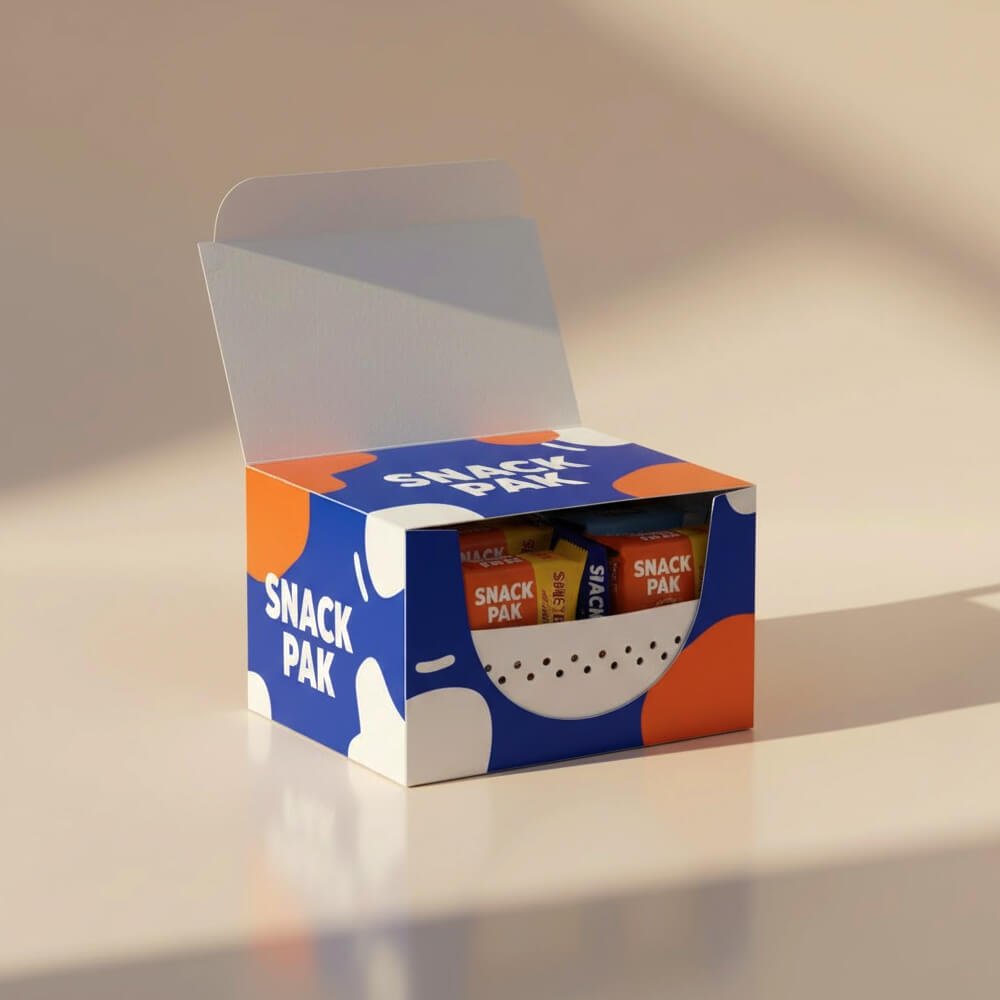
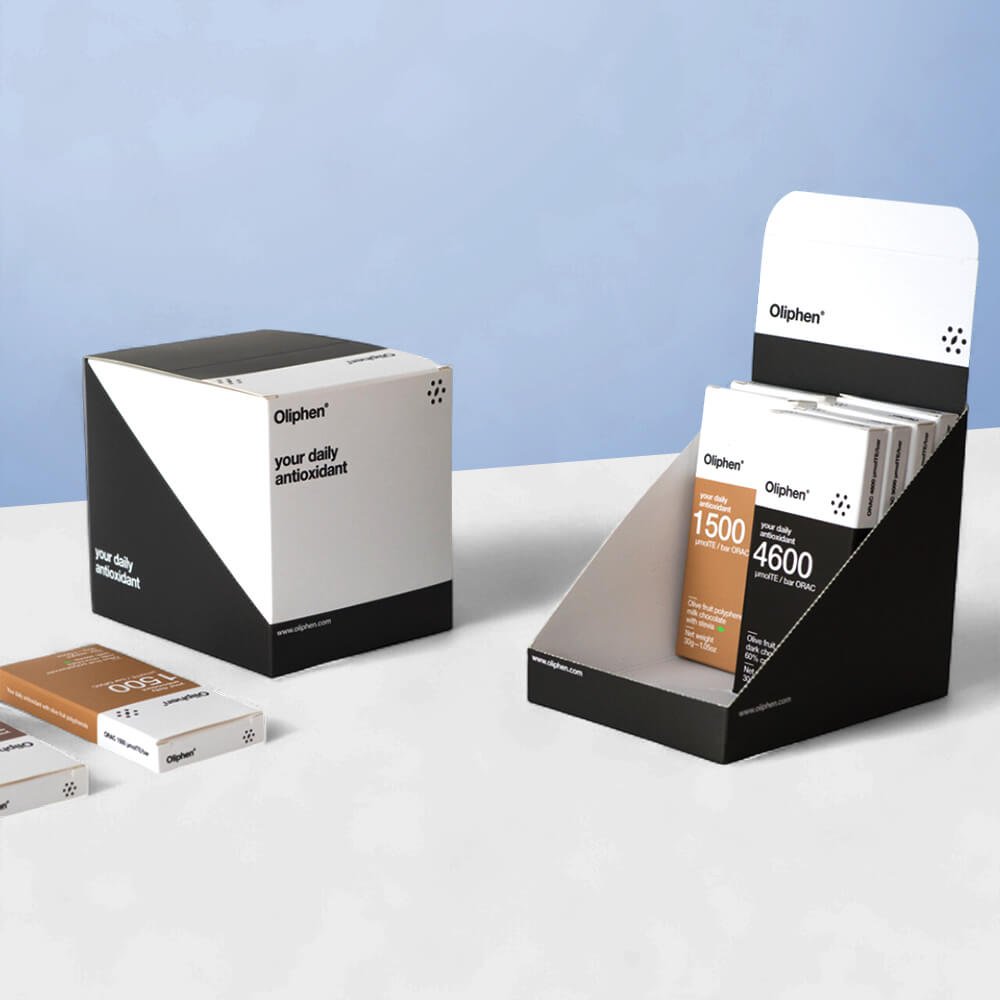
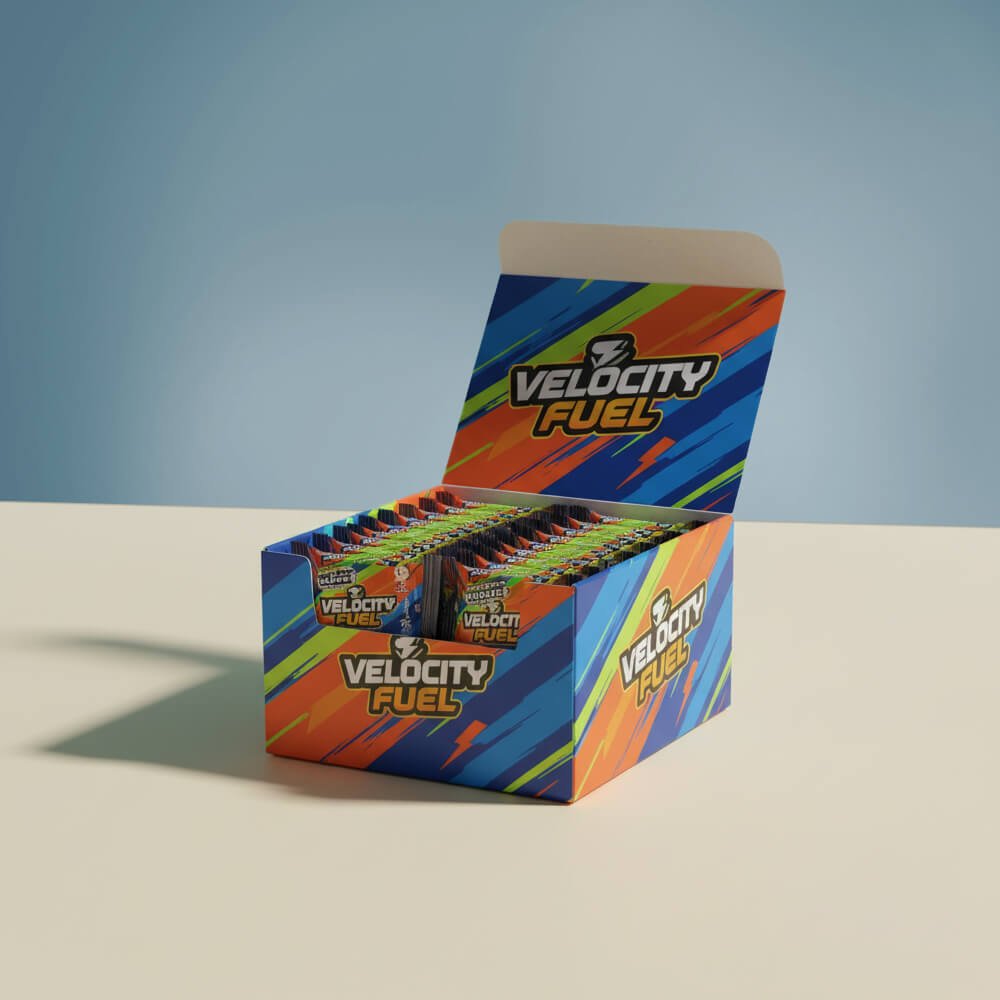
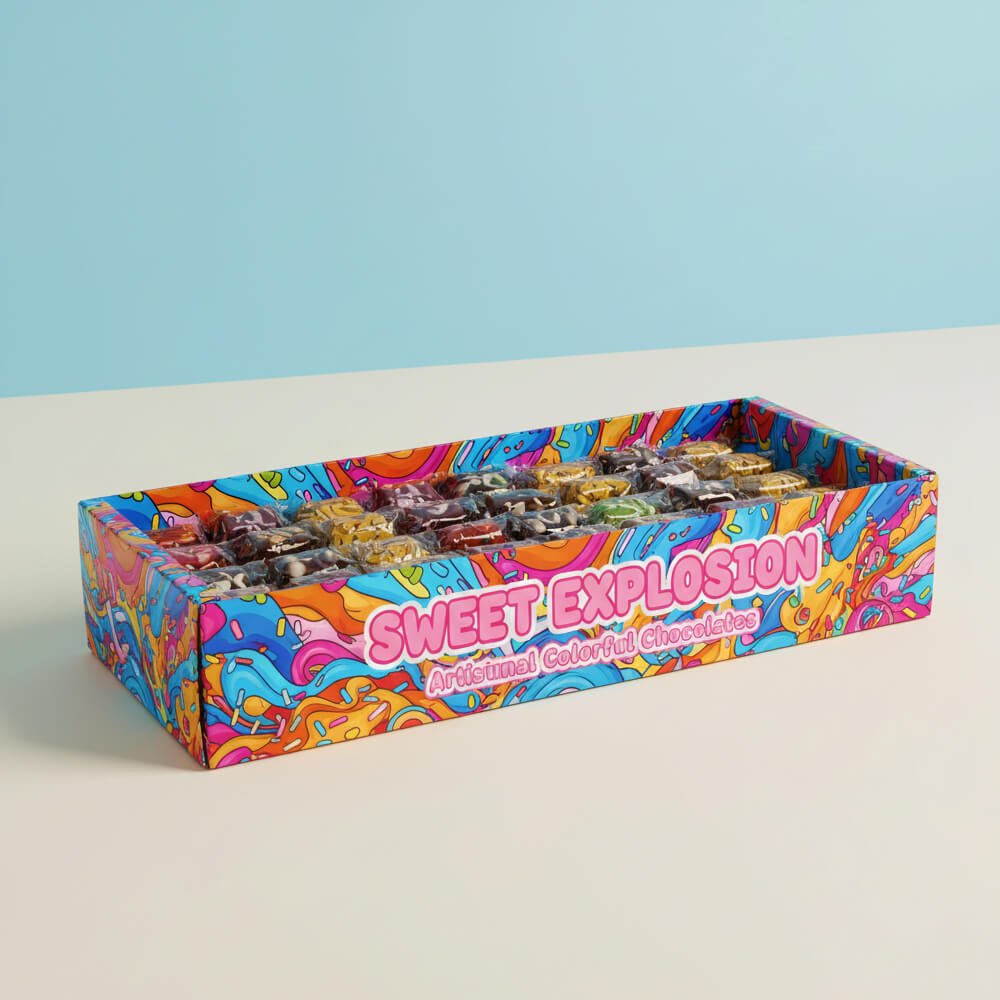
From food and beauty to fashion, electronics, and more, our custom packaging boxes are designed to fit your products, reflect your brand, and stand out on the shelf. You tell us what you need and we will handle the rest. We offer a wide variety of packaging styles to suit every product, brand and occasion.
Coronavirus disease 2019
Coronavirus disease 2019 COVID-19 is a contagious disease caused by the coronavirus SARS-CoV-2. In January 2020, the disease spread worldwide,...
Comprehending internet gambling sites
Comprehending internet gambling sites An online gambling embodies a digital betting system that allows users to join in diverse casino...
Minimalism and Cognitive Load Minimization in Interface Layout
Minimalism and Cognitive Load Minimization in Interface Layout Modern interface design favors simplicity to lessen psychological pressure on people. Minimalism...
Что такое лот на Форексе? Объем сделок на Форекс
О том, что такое лот в трейдинге » FxTrend info В связи с принятием нового закона «О лотереях и лотерейной...
Веб-трейдинг MetaTrader 4
Установка терминала Начало работы Вы можете устанавливать оповещения об уровнях цен или технических условиях и использовать встроенный тестер стратегий для...

What is Compostable? A Complete Guide to Everything
Most of us waste our food straight into the trash without giving it a second thought. Like we don’t have...
What is Shelf Ready Packaging? Complete Guide to Every Detail
If your product is great but your packaging is basic, you’re missing out. Like people buy things that are attractive...

How to Print on Cardstock? A Complete Guide to Follow
Have you ever picked up a superbly published invitation or a strong enterprise card and thought, “I want to make...

What Is Flat Rate Shipping? Everything You Need to Know
Customers are more likely to buy the boxes that have low shipping costs. About 50% of customers discard their cart...
Can You Put a Pizza Box in the Oven? Here’s What You Need to Know
In the US, 93% of people eat pizza monthly, and 13% eat it daily. Everyone orders and eats pizza and...

How to Create PR Packages? Tips and Examples to Follow
Many influencers are shining as a result of social media’s rise. They attract a lot of attention by sharing snippets...

What Is Sustainable Packaging? (And Why It Matters for Our Future)
There has been a huge demand for sustainable packaging in recent years. The reason is that almost every item comes...

How to Pack a Pack of Cigarettes? Easy Steps to Follow
Cigarettes are consumed by almost every other person nowadays. 22% of adults on average smoke on a daily basis. But...
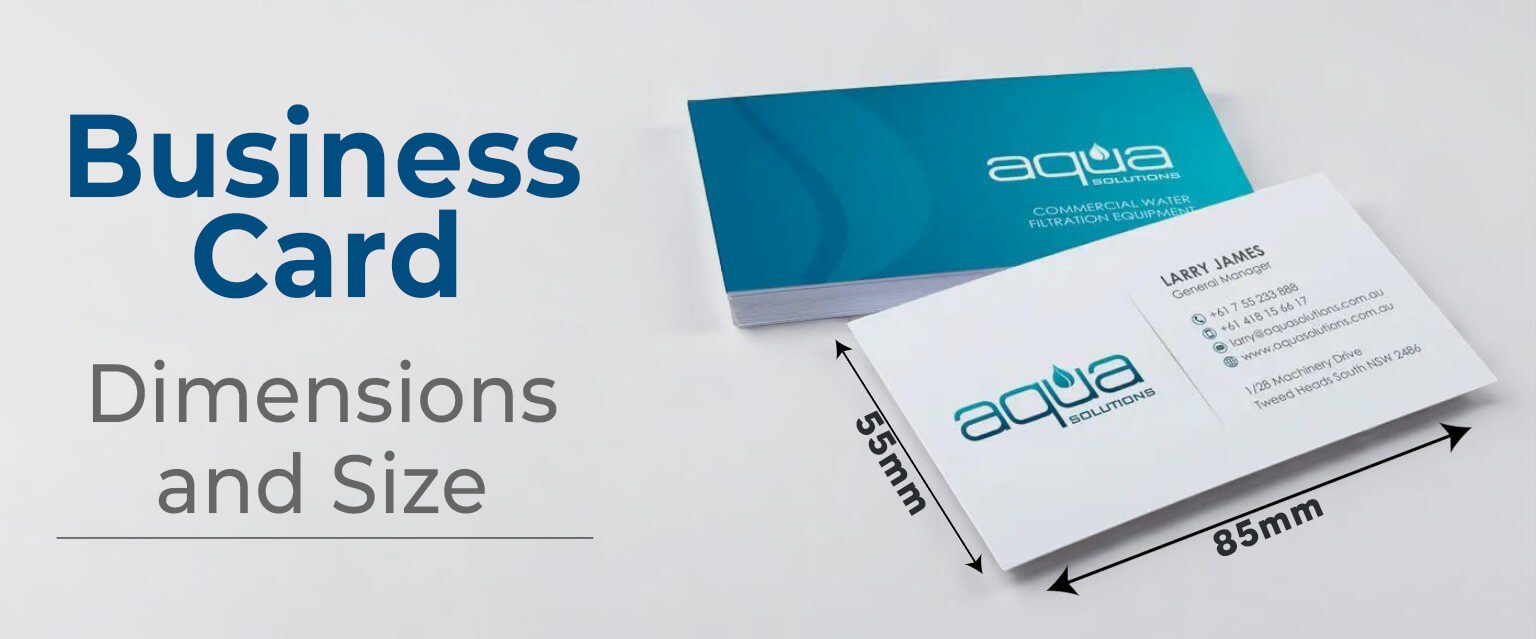
Business Card Dimensions and Size Guide
About 23% of individuals worldwide use business cards (Reference), either physical or digital. This means that the business card trend...
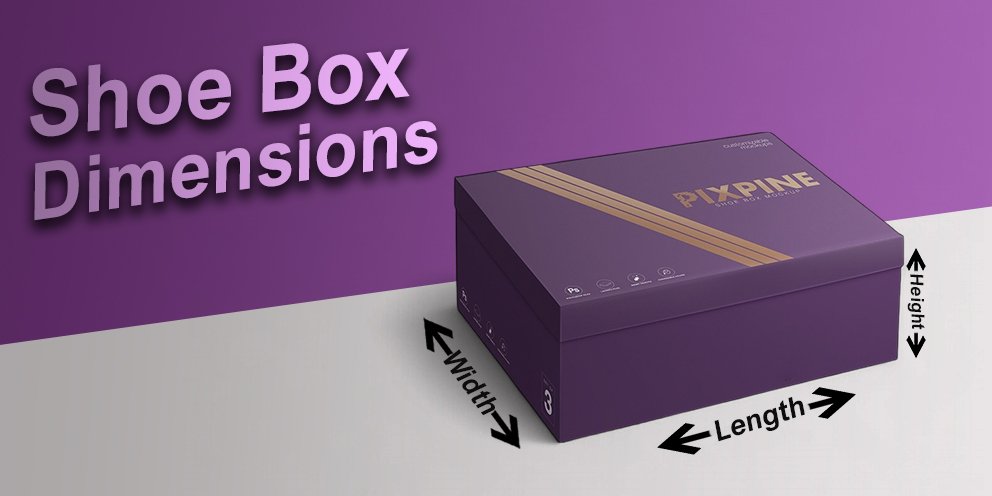
Shoe Box Dimensions: Guide to Everything You Need to Know
We all wear shoes, and most of us don’t think twice about the box they come in. But if you’ve...
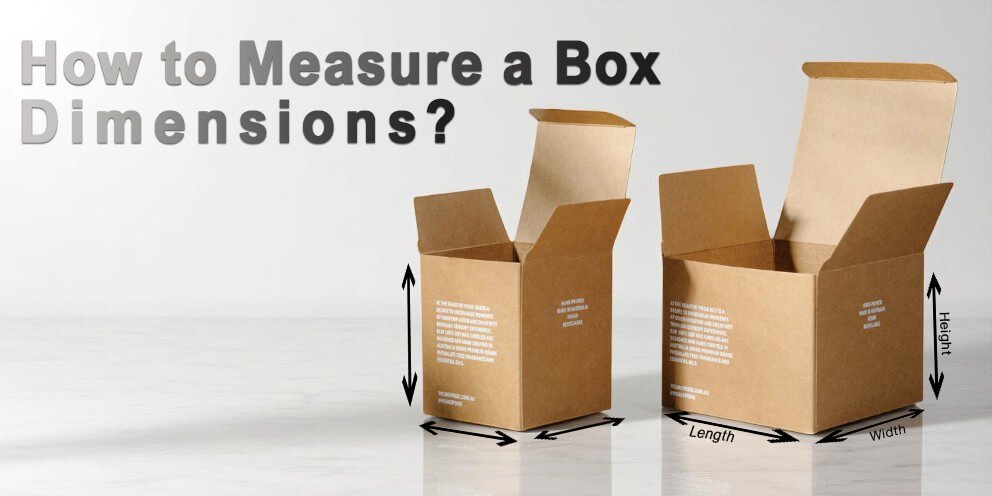
How to Measure a Box and Its Dimensions? Understanding Everything in a Step-by-Step Guide
Boxes are everyday things that you must see daily. We just use these for many things to be done. And...